
We all now trees are valuable. But do you know that healthy trees can boost your property’s value significantly? But when a tree disease takes hold, that value can disappear fast. Removal costs climb quickly, especially once large limbs or compromised trunks are involved.
Spotting the signs of a diseased tree in Kokomo, IN early is the key to protection. This growing season, learn the critical visible symptoms that indicate your tree is sick. We will guide you through the seven major signs of disease for early detection.
Our previous discussion on general tree health care leads us here. Understanding these symptoms supports your overall tree health. Next, we’ll examine a specific case of a diseased oak tree. From our experience, recognizing problems early makes all the difference.
Short Summary
- Early action protects tree health and helps avoid costly removals
- Many signs of a diseased tree appear gradually and often overlap
- Regular checks during the growing season support healthy trees
- Prompt care can slow or stop tree disease from spreading
- Professional support makes prevention more effective and safer
The 7 Warning Signs of Disease Every Tree Owner Should Monitor
Trees rarely fail overnight. Problems build quietly, then surface once damage has already spread. The signs below reflect what we commonly see on service calls, often months before homeowners realize something’s wrong.
Sign #1 – Dead Branches and Dying Branches in the Crown
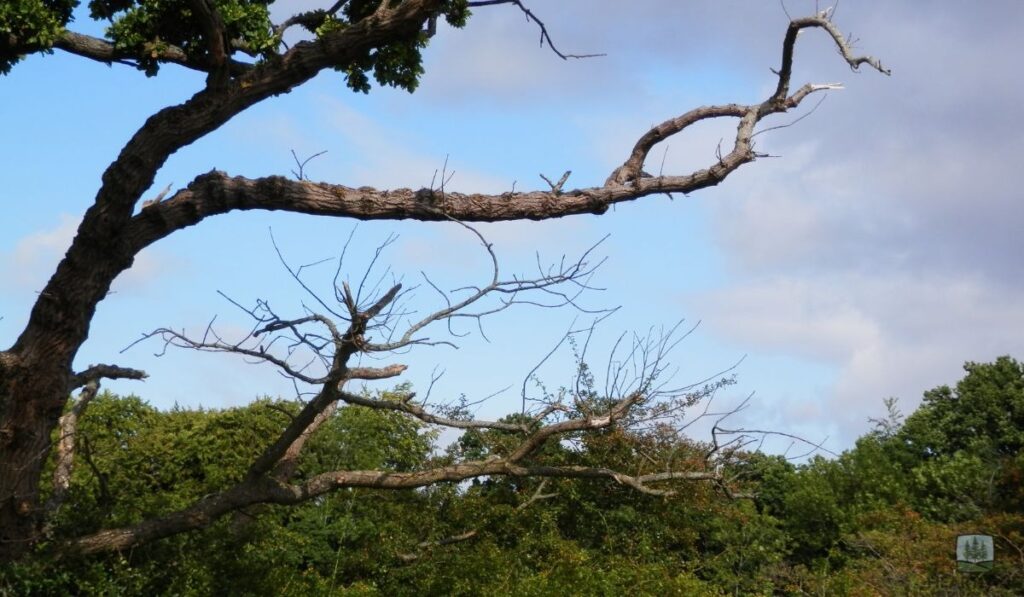
Dead growth near the top of a tree often shows trouble before the rest follows. Dead branches, dying branches, and clusters of dead twigs usually appear first along the outer crown. Those brittle branches snap easily under light pressure, which raises safety risks fast.
In many cases, dieback moves inward toward large branches, large limbs, and even tree trunks. That pattern signals stress spreading through the internal system.
Examples we see often:
- Diseased branches concentrated on one side
- Sections that look dead or dying while others leaf out
- Broken branches after mild wind
Large trees face higher failure risk once crown dieback advances.
Book Your Tree Removal Today!
Sign #2 – Abnormal Bark Conditions and Visible Symptoms
Healthy bark protects everything beneath it. When the tree’s bark cracks, peels, or shows abnormal bark patterns, internal damage may already exist. Small holes often point to bark beetles that exploit weakened tissue.
Dark staining or shelf-like growth suggests fungal growth feeding on moisture and decay. Under loose bark, decaying wood and active wood decay weaken structural integrity.
Warning signs to watch:
- Loose or sloughing bark
- Sawdust near the base
- Soft spots that indent easily
These visible symptoms frequently tie back to advanced tree disease.
Sign #3 – Yellowing Leaves and Wilting Leaves Outside Normal Seasons
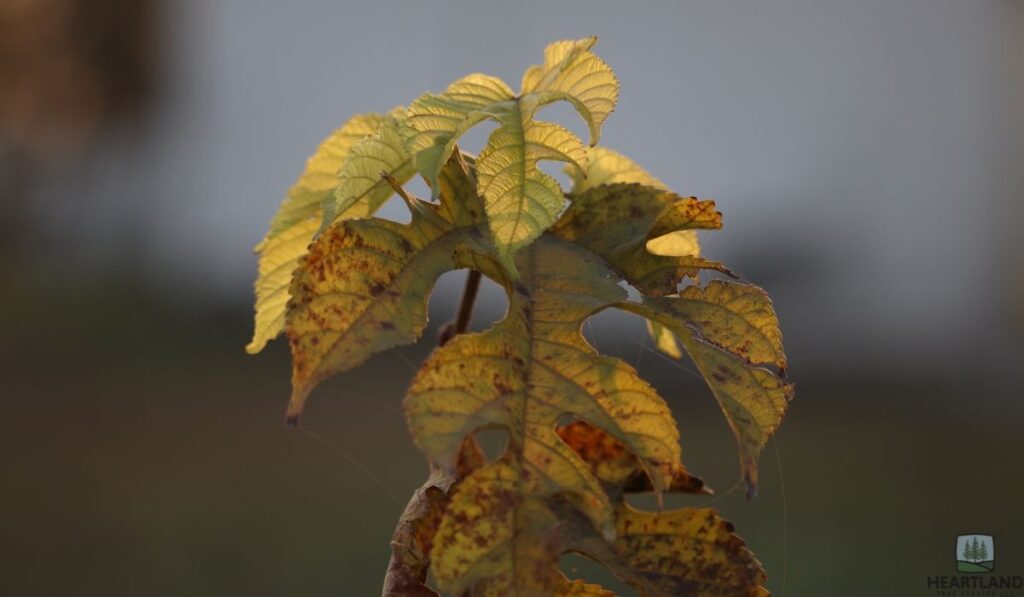
Timing matters. Yellowing leaves or wilting leaves during peak summer often signal deeper trouble than seasonal change. When tree leaves fade early or drop as dead leaves, stress usually exceeds normal weather shifts.
Heat stress and water stress may look similar at first. Disease becomes more likely once symptoms persist despite improved proper watering and stable soil conditions.
Examples that raise concern:
- Dying leaves mid-growing season
- Uneven color across the canopy
- Leaf drop during mild weather
Persistent discoloration deserves closer inspection.
Sign #4 – Infected Leaves With Disease Markers
Leaf surfaces tell clear stories. Infected leaves often show leaf spots, fuzzy coatings like powdery mildew, or scattered yellow spots along leaf margins. Pests such as spider mites leave stippled patterns that weaken tissue.
Some diseases act fast. Fire blight bends shoots downward, while fungal diseases spread rapidly in warm conditions. Fruit trees remain especially vulnerable.
Examples professionals recognize quickly:
- Sudden browning along veins
- Repeating spot patterns
- Widespread infection linked to dutch elm disease
Leaf damage often signals systemic infection.
Sign #5 – Unusual Growth Patterns and Structural Abnormalities
Growth tells long-term stories. Unusual growth patterns like dense shoots, stunted limbs, or lopsided canopies suggest internal imbalance. When the whole tree shows distortion, disease usually affects circulation.
Age matters. Older trees decline differently than young tree species, especially among large trees carrying decades of stress.
Red flags include:
- Dense sprouting from trunks
- Sudden height stagnation
- Repeating common symptoms across limbs
Stable growth supports long-term tree health and keeps trees healthy.
Sign #6 – Root System Problems and Underground Issues
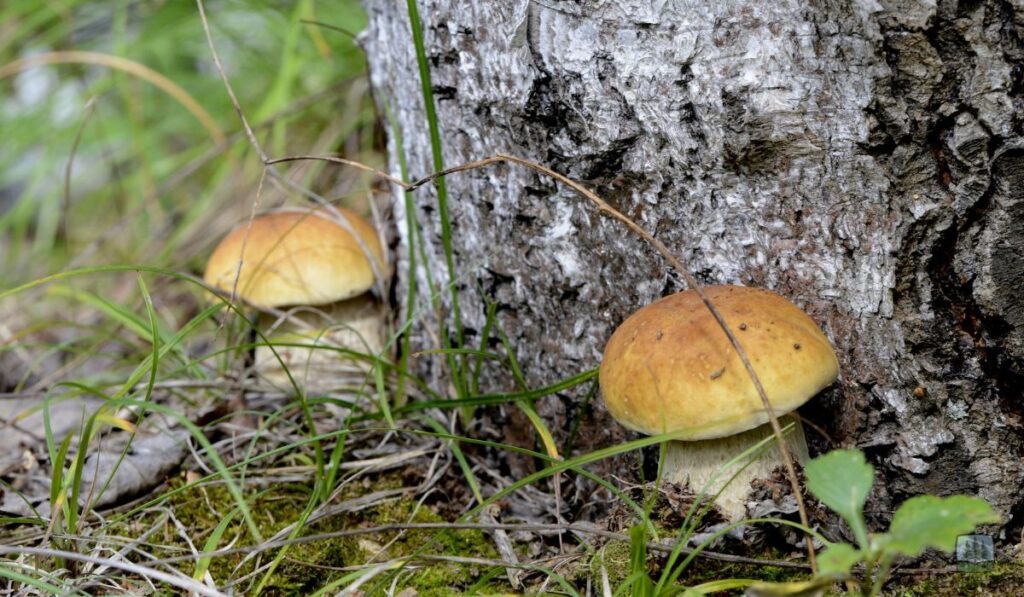
Root trouble hides well. However, mushrooms near the base or mushrooms near tree roots often indicate rot within the root system. Compacted soil blocks oxygen, while poor drainage accelerates decay.
Damage spreads quietly through tree roots and the tree’s root system. Connected root grafts can transmit disease to other trees nearby.
Common examples:
- Leaning trunks without storms
- Sudden canopy thinning
- Soft ground near the base
Unchecked root damage undermines stability fast.
Sign #7 – Multiple Symptoms Appearing at the Same Time
Single symptoms raise concern. Multiple symptoms raise alarms. When leaf loss, branch dieback, and bark damage appear together, internal systems struggle.
The vascular system moves water and nutrients. Once blocked, decline accelerates toward tree death. Many common diseases show this stacking effect.
Situations that demand action:
- Rapid decline across seasons
- Widespread failure in a diseased tree
- Nearby dead trees showing similar patterns
Quick response helps spot tree diseases early before they kill trees outright.
Taking Action – How to Prevent Tree Diseases and Save Your Trees
Once warning signs appear, clear action keeps problems from spreading. These steps reflect what works in real yards, across seasons, and under changing conditions.
Immediate Response Strategies
When a sick tree shows clear signs of disease, quick checks matter. Inspect nearby other trees since many cases involve shared stressors. Environmental factors like drought, soil compaction, or poor drainage often connect the dots.
Examples that help early:
- Note recent weather events like heavy rain or heat spikes
- Check changes that appeared in early summer
- Compare symptoms across the property
Fast response limits escalation from mild tree disease to larger failures.
Prevention Techniques to Keep Trees Healthy
Strong routines help prevent tree diseases long before symptoms appear. Proper pruning during dry windows reduces exposure during wet weather and humid weather. Thinning dense canopies helps increase air circulation, which limits fungal spread.
Examples we recommend often:
- Space limbs to support steady air circulation
- Use care when planting trees near foundations
- Select disease-resistant trees for new installs
Healthy structure supports long-term resilience.
Professional Intervention Guidelines
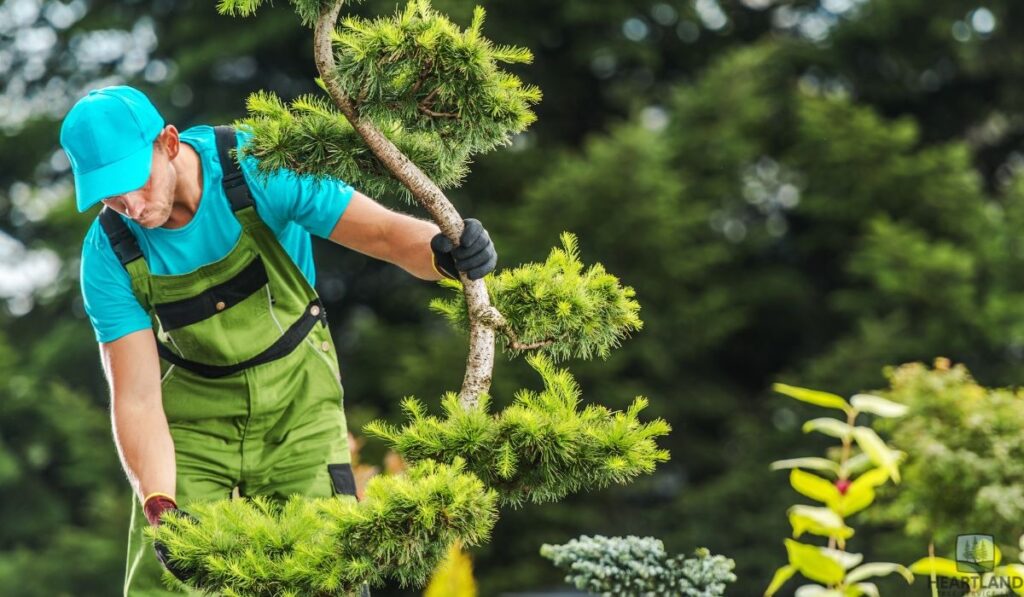
Some cases exceed basic care. A certified arborist evaluates internal damage that surface checks miss. Professional tree care protects overall tree health while reducing risks tied to tree death.
Examples where help pays off:
- Decline across multiple seasons
- Large limbs over structures
- Evaluating dead trees through a clear cost-benefit analysis
Expert input prevents costly mistakes.
Seasonal Monitoring Tips
Routine checks align best with nature. Inspect in early summer, review fallen leaves during cleanup, and watch patterns through the growing season. Adjust plans after major weather events. Small habits lead to more tree care tips that work.
Final Thoughts
Trees give plenty of warning when something feels off. Catching trouble through early detection and knowing the signs of a diseased tree helps protect healthy trees and long-term tree health. Regular checks and simple care often stop tree disease from spreading.
When symptoms linger, professional guidance matters. Visit our homepage for more tree care tips and support to prevent tree diseases before small issues grow. Health. Book a spot and let’s tweak that spine together. Your move counts.