They call invasive forest insects the “wildfires of the East” for good reason. The devastation these pests leave behind can reshape a landscape before you even realize something is wrong.
Many invasive pests work quietly under the bark, cutting off a tree’s ability to survive long before visible signs appear. From our experience, homeowners often miss the early warning signs until tree death becomes hard to avoid.
This guide focuses on bugs that kill trees in Kokomo, IN, helping identify the most destructive insects and what steps can protect long-term tree health.
If a previous read covered a diseased oak tree, this guide builds on that foundation. The next step involves tree insect management. For a broader view, explore improving overall tree health.
Short Summary
- TreeEmerald ash borer targets ash trees and disrupts water flow, leaving D‑shaped exit holes.
- Spotted lanternfly uses sucking mouthparts to feed on trees and shrubs; look for egg masses and sooty mold.
- Southern pine beetles attack pine trees in large numbers; pitch tubes and needle discoloration signal trouble.
- Bark beetles tunnel into spruce, hardwood, and Douglas firs, causing branch dieback.
- Scale insects and aphids suck nutrients, leaving yellowing leaves and sticky residue.
- Japanese beetles skeletonize leaves on fruit and hardwood trees, weakening them over time.
- Prevention basics include proper watering, pruning, and regular monitoring.
- Natural solutions like beneficial insects and neem oil work well for minor infestations.
- Call a certified arborist when you see sudden canopy loss or widespread damage.
Emerald Ash Borer: The Most Destructive Threat to Ash Trees
The emerald ash borer arrived in Indiana years ago, and it remains public enemy number one for our ash trees.
What Is the Emerald Ash Borer?
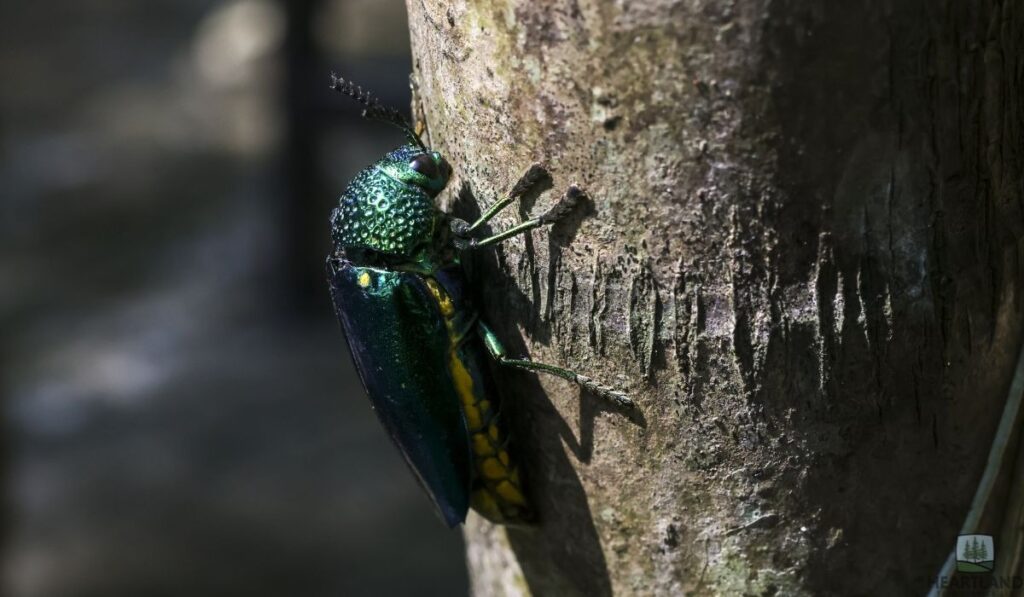
The adult beetle looks harmless enough, but the larvae do the real damage. They tunnel under the inner bark and cut off the tree’s ability to transport water and nutrients. Without that flow, the canopy starves from the top down.
Signs of Infestation
How do you spot a problem before it is too late?
Look for these early clues:
- D-shaped exit holes on the bark
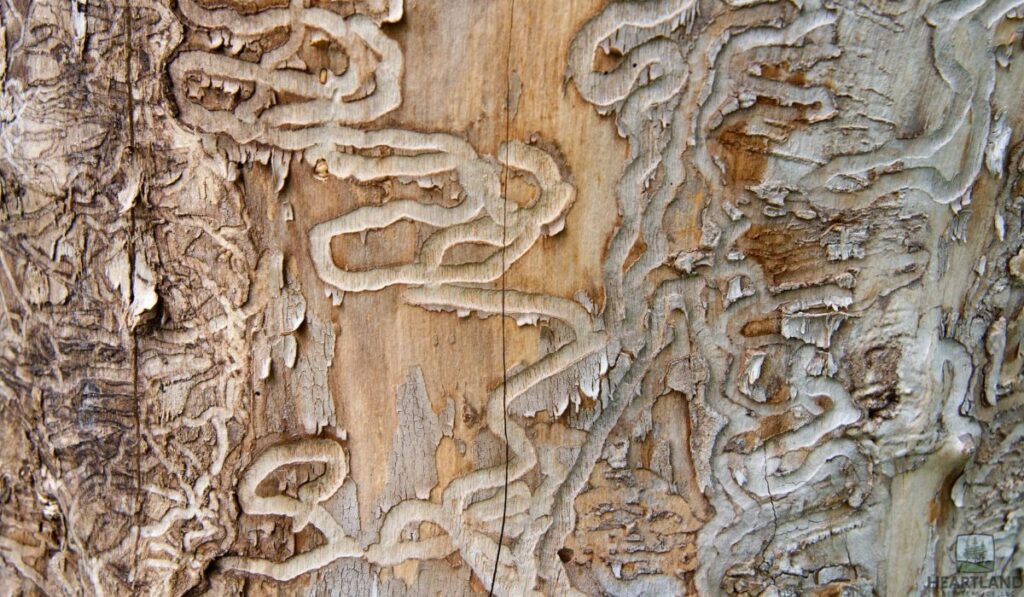
- Splitting bark that reveals winding tunnels
- Thinning canopy at the top
Trees Affected
All true ash trees in Indiana are vulnerable. White ash, green ash, black ash, it does not matter. Once the ash borer finds them, they become host trees for the next generation.
Book Your Tree Removal Today!
What Homeowners Should Do
Early detection saves trees. We recommend talking with a certified arborist about preventative treatments if you have healthy ash trees. And please, avoid moving firewood. That’s one of the main ways this pest spreads to new areas.
We remember a client who lost a gorgeous 80‑year‑old ash because a neighbor brought in infested firewood from up north. Heartbreaking and entirely preventable.
Spotted Lanternfly: A Significant Threat to Trees and Shrubs
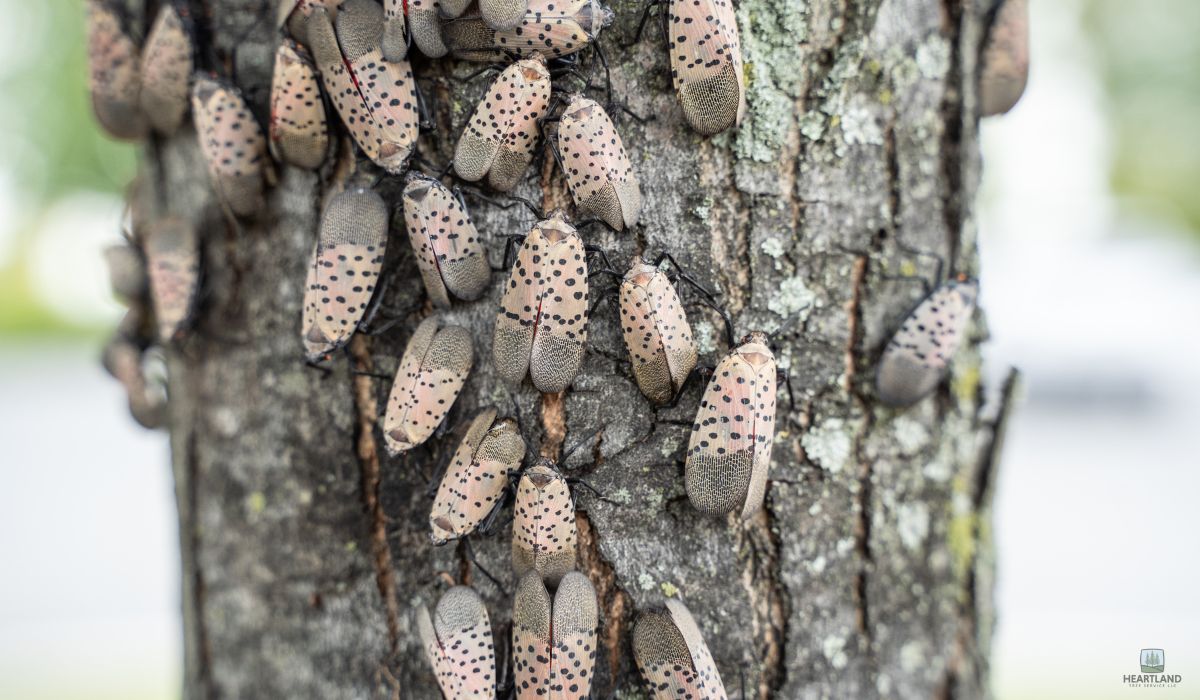
This flashy insect might look pretty, but don’t let the appearance fool you. The spotted lanternfly is one of the most concerning invasive pests we track right now.
How They Damage Trees
These insects use their sucking mouthparts to pierce bark and feed on plant juices. They drain energy from trees and shrubs without boring into the wood. That slow drain adds up fast.
Signs to Watch For
You might notice:
- A sticky liquid called honeydew dripping from branches.
- That honeydew grows sooty mold, a black fungus that covers leaves and blocks sunlight.
- In fall and winter, scrape off egg masses on tree trunks and nearby outdoor furniture.
A common example: patios covered in sticky residue under infested trees. That’s a clear sign.
When to Look
Early spring is your window of opportunity. Check for nymphs before the adults emerge in summer. Once they grow wings, they move quickly.
Prevention Tips
Control starts with awareness.
- Scrape those egg masses into a bag of hand sanitizer or rubbing alcohol. Don’t just knock them on the ground.
- We also tell homeowners to inspect cars and campers when traveling.
A single egg mass can start a whole new population miles away.
Southern Pine Beetle: A Serious Risk to Pine Trees
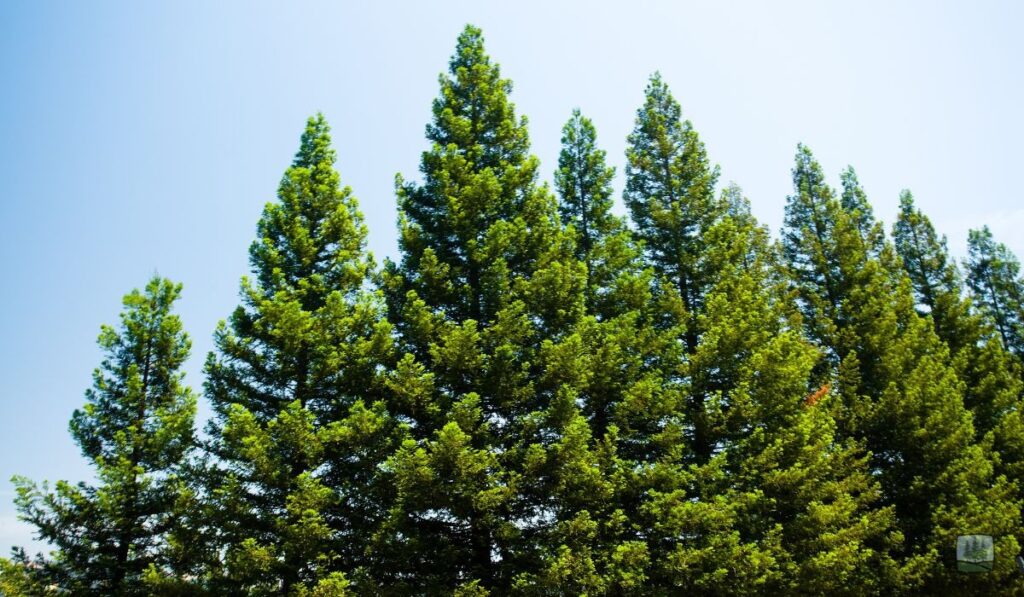
Pine trees don’t always show stress until the situation is dire. The southern pine beetle exploits that gap.
Why This Beetle Is Dangerous
This beetle operates in numbers. Hundreds or thousands attack one tree at once. They work under the bark and overwhelm the tree before it can mount a defense. We call it a rapid infestation because it can kill a pine in weeks.
Signs of Infestation
Look for:
- Pitch tubes, which look like small popcorn-sized blobs of resin on the trunk.
- You might see fine boring dust collecting in bark crevices.
- Needles fading from green to yellow to reddish brown. Once you see the color change at the top, the tree is already in trouble.
Trees Most at Risk
All pine trees in Indiana can serve as host trees, but stressed or crowded pines are the first to go. We often see outbreaks in pine stands that were planted too close together.
Control and Prevention
- Remove infested trees before the beetles spread to healthy neighbors.
- Maintain spacing between trees.
- Regular monitoring is key. Walk your property every couple weeks and check for those early signs.
Serious damage happens fast with these destructive pests.
Bark Beetles: Silent Killers of Spruce and Hardwood Trees
Not all bark beetles make headlines, but collectively, they cause a lot of heartache for homeowners.
How Bark Beetles Attack
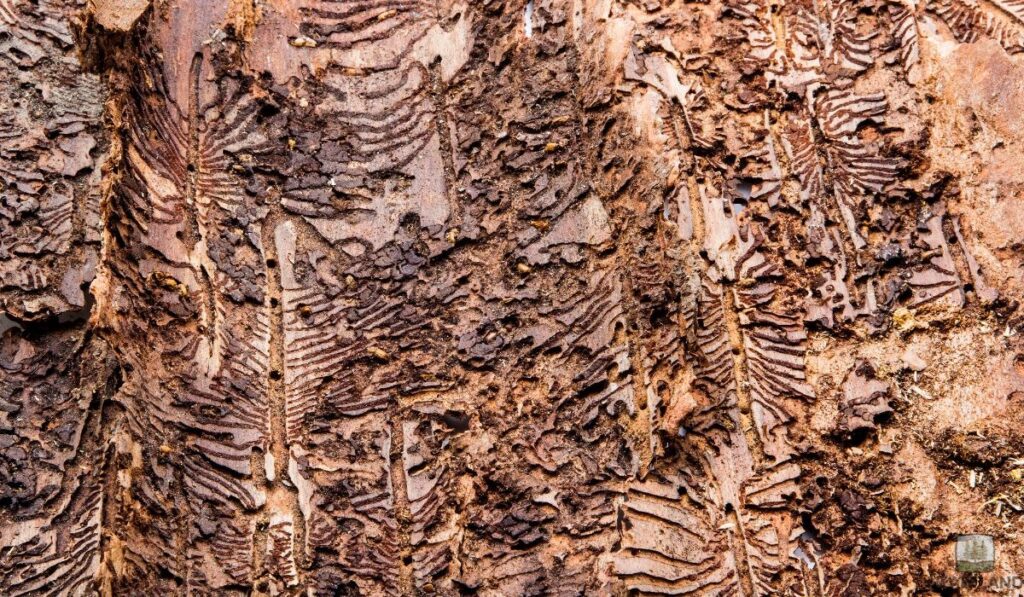
These tree insects tunnel through the bark to lay eggs. Their galleries girdle the tree and block nutrient flow. Different species target different species of trees, so the specific beetle varies by your yard.
Signs of Damage
Check for:
- Tiny holes in the trunk, often smaller than a pencil tip.
- You might spot fine sawdust at the base or along the bark.
- Branch dieback starts in the upper crown and works downward.
A typical case involves a spruce showing scattered dieback before the rest follows.
Trees Affected
We see bark beetles most often in the following:
- Stressed spruce trees
- Hardwood trees like oaks and maples
- Douglas firs
Drought, injury, or old age makes these trees vulnerable.
Why Early Detection Matters
Early detection stops an infestation from jumping to nearby trees. One neighbor waited too long to remove a dying spruce. Within two seasons, four surrounding trees showed the same symptoms. Those are common insects that turn into major problems when ignored.
We often suggest checking bark texture and canopy density during routine yard walks. Small changes reveal a lot!
Scale Insects and Aphids: Small Pests That Cause Big Damage
Don’t let their size fool you. Scale insects and aphids multiply fast, and they can stress a mature tree quicker than you might expect.
How These Pests Feed
These are sucking insects. They pierce leaves and tender stems to extract nutrients. A few are no big deal, but large insect populations drain energy day after day. We’ve seen young trees stall out completely under heavy feeding pressure.
Visible Symptoms
Watch for early warning signs:
- Yellowing leaves are usually the first clue.
- You might notice a sticky film on your patio furniture or car windshield. That’s honeydew, and it signals a healthy population above.
- Weak growth and early leaf drop often follow.
Secondary Effects
That sticky mess attracts other pests like ants and wasps. The honeydew also grows sooty mold, which blocks sunlight and makes trees look dirty. We had a client last year convinced her maple had a fungal disease. Turned out scale insects were the root cause all along.
Treatment Options
Remember that control works best when done early.
- Neem oil works well when applied at the right time.
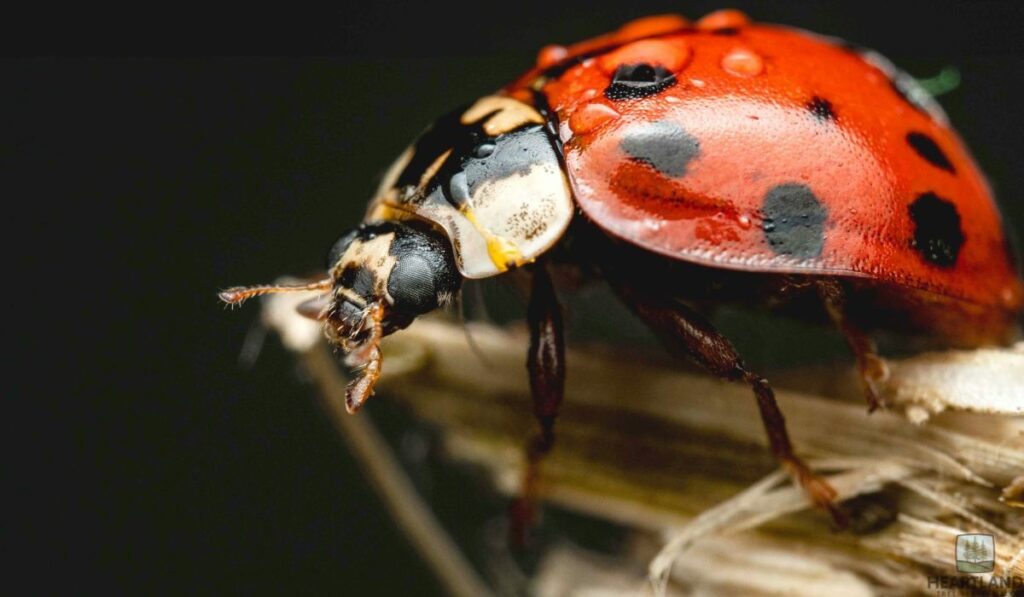
- Introduce beneficial insects like ladybugs and lacewings to handle the problem naturally.
- For heavy infestations, targeted pest control methods from a pro are the safest bet.
Natural solutions with strong natural predators often keep things in check without harsh chemicals.
Japanese Beetles: Leaf-Destroying Pests That Weaken Trees
These metallic green beetles show up in force every summer. Their feeding habits can turn a full canopy into lace.
How They Feed
Japanese beetles skeletonize leaves. They eat the soft tissue between the veins and leave the leaf structure behind. A few beetles here and there are not a crisis, but large swarms strip branches bare.
Signs of Damage
You’ll notice:
- Severe leaf damage with only veins remaining. Leaf damage shows up fast.
- Brown, papery leaves that look like they have been through a shredder.
- Weakened tree branches become more visible as the canopy thins out.
We’ve seen trees lose most of their canopy in a few weeks. That’s how aggressive these destructive insects can be.
Trees Most Commonly Affected
They target:
- Fruit trees like apple, cherry, and plum take the hardest hits.
- Hardwood trees such as linden, birch, and elm are also favorites.
They seem to have a list of preferred species, and they stick to it.
Long-Term Impact
One season of skeletonized leaves usually doesn’t kill a tree. But repeat feeding year after year causes decline. The tree can’t store enough energy for winter.
Eventually that stress leads to destructive insects moving in and finishing the job. Protecting tree health now prevents that downward spiral.
How to Stop Bugs That Kill Trees (Prevention + Treatment)
We tell our clients the same thing every time: keep your trees healthy, and you solve half the battle before it starts.
Prevention Basics for a Healthy Tree
A healthy tree starts with the basics:
- Proper watering during dry spells makes a huge difference.
- Deep soak once a week rather than a quick sprinkle every day.
- Pruning practices matter, too.
- Remove dead or crossing branches before they become entry points for pests.
We often suggest thinning crowded areas. It improves airflow and reduces stress.
Natural and Eco-Friendly Solutions
Beneficial insects are your garden allies:
- Lacewings
- Ladybugs
- Parasitic wasps – they keep pest numbers in check without chemicals.
We encourage clients to plant flowers that attract these natural predators. It’s a long game, but it pays off.
Chemical Treatment Options
Sometimes you need a stronger approach:
- Targeted insecticides applied at the right life stage of the pest stop infestations before they explode.
- Neem oil and horticultural oils are solid first choices.
Preventative treatments work best for emerald ash borer and similar threats.
When to Call a Certified Arborist
If you see sudden canopy loss or widespread damage, call a certified arborist. We can identify what you’re dealing with and choose treatment options that fit your situation.
Doing nothing often causes more harm than stepping in early. Good pest control for your trees and shrubs is about timing and know-how.
Final Thoughts
Stay ahead of bugs that kill trees with early detection and regular monitoring. Check your trees a few times each season. Look closely at trunks, leaves, and branches for any odd signs from tree pests.
We keep things simple here because healthy yards matter. Spot common pests or destructive pests before they spread. Quick action protects your tree health for years ahead.
Drop by our homepage anytime for more tips on keeping your landscape strong. We would love to help you care for your trees.