Did you know a single diseased oak tree can knock 15% to 20% off your property’s value? That is a hard hit to take, especially when most issues are treatable if caught early.
From our experience, homeowners often notice something is wrong but aren’t sure what to look for. They may see their trees struggling, but often, they just hope it’ll all just go away. But it rarely does.
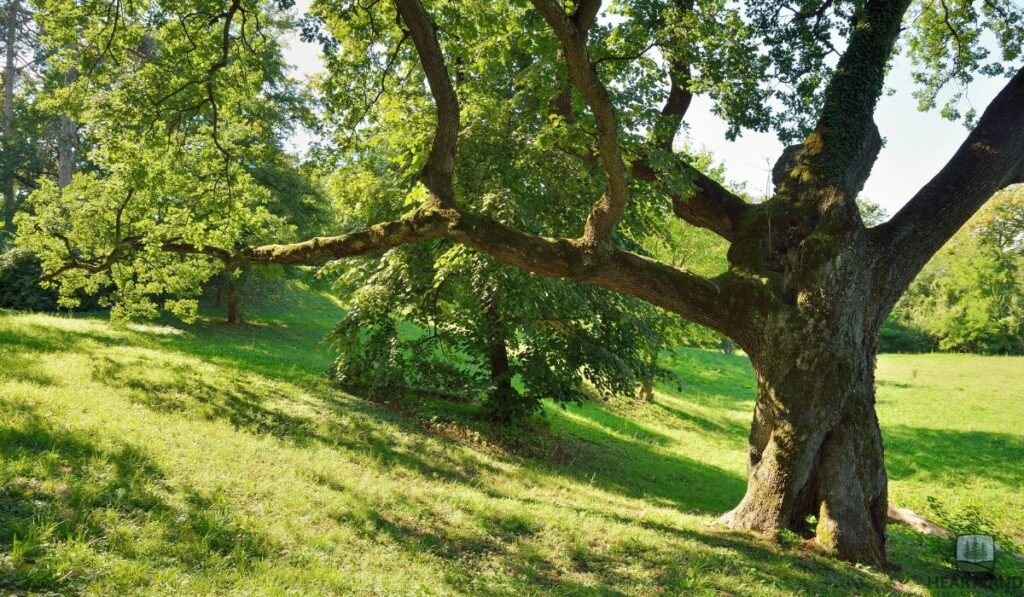
Oak trees are the backbone of our urban trees and a vital part of our natural resources, but they face serious threats.
This guide breaks down the most common diseased oak tree in Kokomo, IN. It will show you exactly what symptoms mean, and explains how to restore tree health before you deal with tree death.
We covered the general signs of a diseased tree in a previous article to help you spot basic warnings. Now we’re tackling issues about specific issues plaguing oaks. You’ll learn exactly the common bugs that kill trees that might kill your tree.
Protecting your landscape starts with understanding overall tree health, which is the focus of our main post, but this guide gives you the oak specific knowledge you need right now.
Short Summary
- Early detection saves trees. Walk your property weekly during the growing season and look for changes in leaf color, crown density, or unusual growth at the base.
- Oak wilt moves fast. Trees in the red oak group can die within weeks of infection. White oaks fight longer but still need help.
- Prune only in dormancy. Never cut oaks between April and July. Fresh wounds attract beetles that spread disease.
- Watch your firewood. Stack it away from living trees. Never store wood from dead oaks near healthy specimens.
- Call professionals when in doubt. We have the tools and training to identify problems before they spread.
Top Signs of a Diseased Oak Tree in Indiana
You walk outside one morning, and something looks off with your big shade tree. Maybe the leaves seem sparse or the color is just wrong. Catching problems early makes all the difference when it comes to saving mature trees.
Here’s what we look for during our visits around Kokomo.
Crown and Branch Warning Signs
Stand back and look at the overall shape of the tree. A thinning crown is often the first red flag we notice. You should see a full, leafy canopy during growing season. If sunlight filters through more than usual, pay attention.
Look up into the branches with us. Twig dieback shows up as small, dead branches at the very tips. This progresses into branch dieback, where larger limbs stop producing leaves entirely. Stressed trees shed branches as a last resort.
They can’t support the weight anymore. We see this constantly in mature trees that have fought off disease for years. They start losing density slowly. Then one season, half the tree looks bare.
Leaf Symptoms You Shouldn’t Ignore
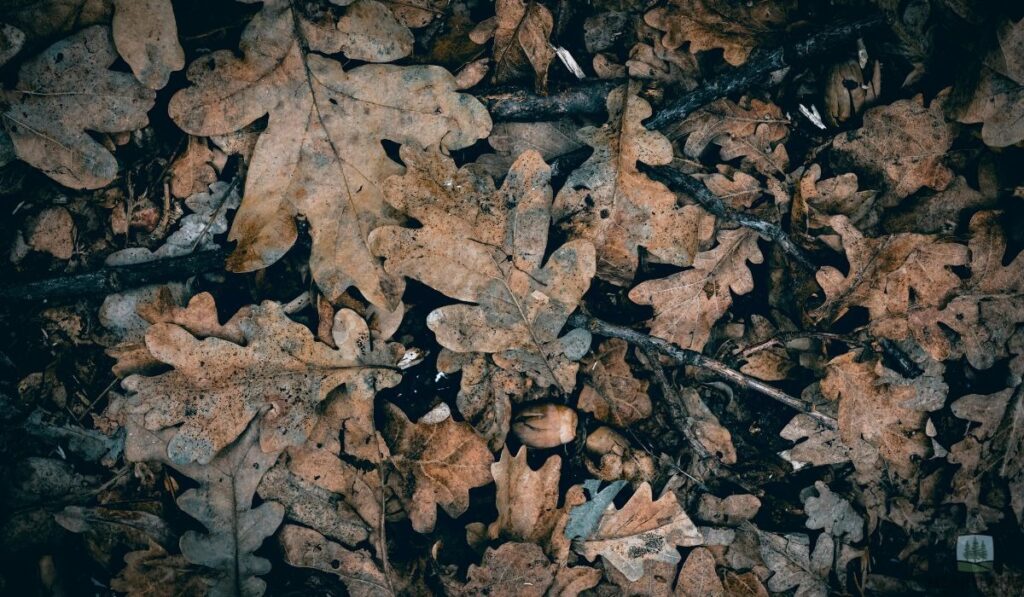
Leaves tell us exactly what is happening inside the tree. Premature leaf drop is a classic sign. If your oak drops leaves in July or August, something is wrong. Pick one up. Look for a yellow halo around brown spots. That yellow ring is a dead giveaway of infection.
You might notice light green patches where deep green should be. Reddish brown blotches spread from the edges inward. Brown lesions pop up between the veins. These aren’t random. They point to specific oak diseases. Infected leaves curl and distort.
They often fall before they change color in autumn. We’ve seen yards covered in fallen leaves by early September. That’s not normal leaf drop. That’s a cry for help.
Ground and Trunk-Level Clues
Now look down. The story continues at the tree base. Check the soil line carefully. Do you see mushrooms growing directly from the trunk or roots? That is fungal growth, and it signals internal rot.
Sometimes the only warning is ground symptoms like sunken areas or cracked soil around the root zone. The roots may be failing underground before the canopy shows major stress.
Identifying Major Oak Tree Diseases: Wilt, Scorch, and Blister
Indiana homeowners deal with a handful of serious oak tree diseases every year. Knowing which one you face determines whether your tree makes it or not. Let’s break down the usual suspects we encounter on calls.
Oak Wilt (Most Aggressive Threat)
Oak wilt is the big one. This fungus moves fast and hits hard. It impacts the red oak group worse than any other type. Red oak trees can die in weeks. White oaks have a better shot at survival because their vessel structure slows the fungus down.
The disease forms fungal mats under the inner bark. These mats pressure the bark until it cracks open. Sap feeding beetles smell the sweet scent from those cracks.
They land, feed, and carry spores to the next healthy tree. That’s how the disease progresses from yard to yard. When oaks die from wilt, they go fast. One month of green leaves, next month brown and crispy.
Book Your Tree Removal Today!
Bacterial Leaf Scorch
Bacterial leaf scorch moves slower but does real damage. This bacterial leaf infection plugs up the water vessels. Look at the leaf margins first. The edges brown up while the center stays green. Symptoms worsen in late summer when heat stresses the tree.
You’ll see leaf veins discoloring as the bacteria spread. The tree can’t move water where it needs to go. It looks like drought stress, but watering doesn’t fix it.
Oak Leaf Blister and Other Leaf Diseases
Oak leaf blister shows up in early spring after wet weather. It attacks young leaves during bud break. The upper surface puckers into raised bumps. The spots look blistery, hence the name.
Compare this with oak anthracnose, which causes irregular brown patches along veins. Powdery mildew coats leaves in white powder late in the season.
Tubakia leaf spot leaves round marks on mature foliage. These diseases look scary but rarely kill the tree alone. They weaken it, though. And a weakened tree attracts worse problems.
We should mention sudden oak death here for awareness. This disease gets lots of headlines, but it remains rare in Indiana. The USDA Forest Service tracks it closely. We monitor the situation, but local outbreaks aren’t our main concern right now.
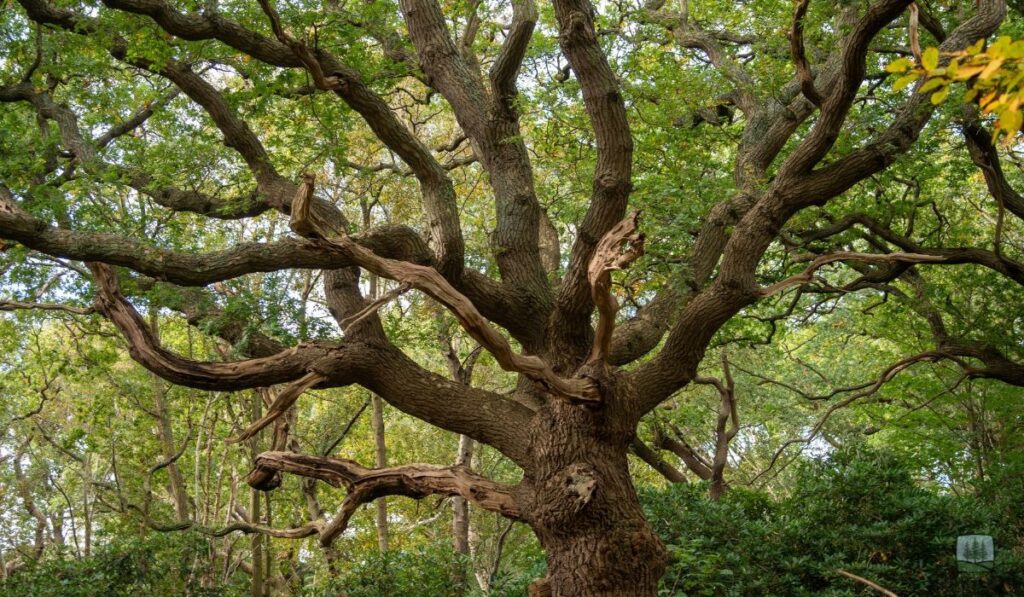
The Hidden Danger: Root Systems and Fungal Decay
What happens underground stays hidden until the tree topples over. Root rot is the silent killer in our landscape. You can’t see the damage until the tree loses its grip.
Root Rot Beneath the Surface
Two types of rot plague Indiana oaks:
- Phytophthora root rot thrives in wet soil. It attacks the fine feeder roots first. The tree cannot take up water, so it wilts even with plenty of rain.
- Armillaria root rot is different. This fungus grows under the bark at the soil line. It strangles the cambium layer.
Both types destroy root systems and starve the green tissue above ground. The symptoms mimic oak decline, a slow death from multiple stresses. Trees look sad, drop leaves, and fail to thrive. By the time we see top growth suffering, the roots are already shot.
How Disease Spreads Underground
Here’s the scary part. Root grafts form between neighboring trees of the same species. Their roots actually fuse together underground. Nearby trees share water and nutrients through these natural connections.
Unfortunately, they also share disease. Once one tree gets sick, the infection moves through the grafts. That’s how infected trees multiply without a single beetle or spore in the air.
Watch out for infected firewood, too! People stack wood from a dead tree near healthy specimens. Fungus and beetles emerge from that wood and attack again. The disease spreads from your woodpile to your landscape without you knowing.
So remember: Don’t stack oak firewood against living trees. Move it away from the property line. Keep it off the ground if you can.
Prevention and Proper Tree Care Strategies
Ben Franklin said an ounce of prevention is worth a pound of cure. He probably owned oak trees, right? Because keeping your oaks healthy takes some planning, and it beats watching them die. Here’s how we protect our clients’ trees year after year.
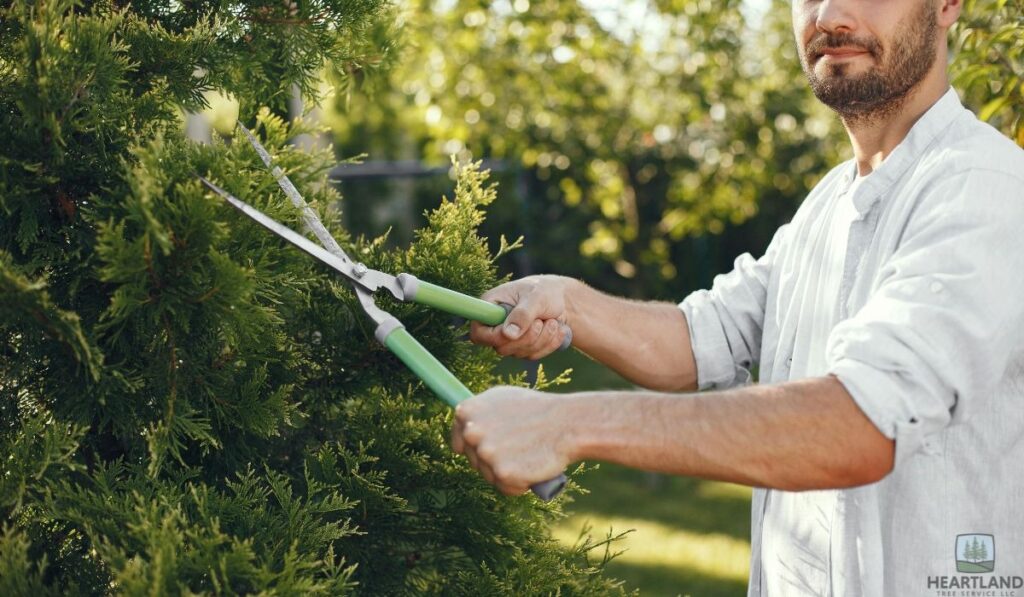
Avoid High-Risk Pruning Seasons
Timing matters more than technique with oaks. The “No-Prune” window runs from mid-April through early summer. Why the hard rule? Fresh cuts smell like dinner to sap feeding beetles. They carry oak wilt spores from infected wood to your fresh wound.
One wrong cut in May can kill a fifty year old tree by August.
We schedule all tree pruning outside this danger zone. Safe windows run from October through March. Trees heal faster in cool weather anyway. The beetles sleep, and your tree rests.
Dormant Season Best Practices
Winter gives us the green light to work. We prune lower branches during dormancy for several reasons. Dead wood stands out against snow. The structure shows clearly without leaves blocking the view. Removing those lower branches improves airflow around the base.
We also cut out infected branches before spring growth starts. This stops diseases from spreading to new tissue. Plant vigor improves dramatically after a good winter pruning. Trees wake up ready to grow instead of fighting old wounds.
Think of it as spring cleaning before the party starts.
Environmental Factors That Matter
Look at how your tree grows. Poor air circulation traps moisture on leaves. Wet leaves breed fungus. We see this constantly in yards packed too tight. Thin out competing vegetation. Give each oak room to breathe.
Watch for secondary pests like the two lined chestnut borer. These bugs attack weakened trees. A stressed oak sends out chemical signals that say “eat me.” Keep your tree stress free and the borers move elsewhere.
Supporting healthy trees through proper tree care means thinking about roots, air, and pests together. They all connect. Address one and you help them all.
When to Call Heartland Tree Service for Professional Help
Some problems need eyes with training. We have spent years studying plant pathology and tree biology. Here is when you should pick up the phone.
Diagnostic Markers Professionals Look For
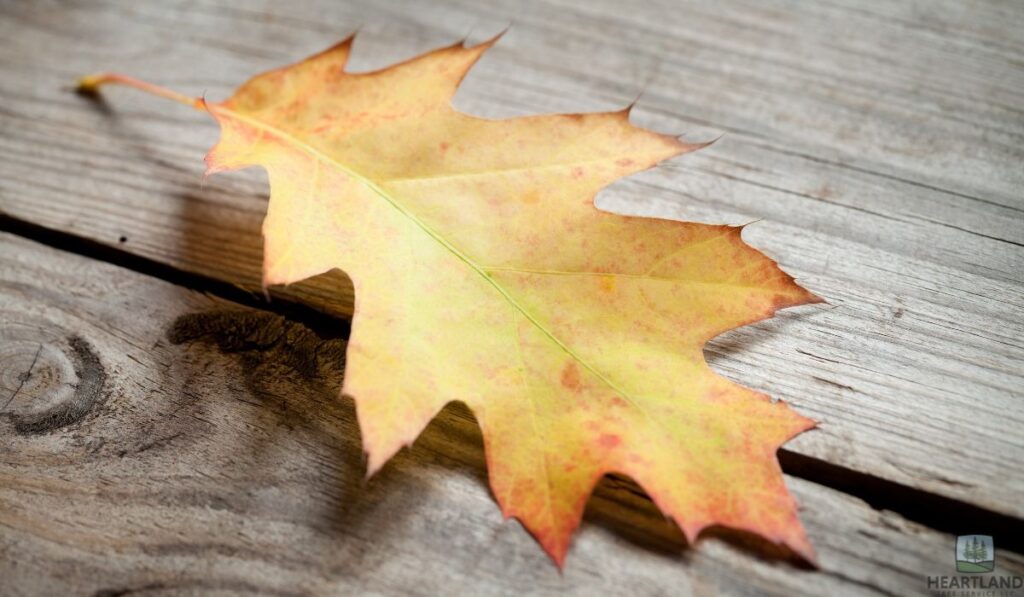
We look for specific clues you might miss. Brown streaks inside the leaf veins signal bacterial infection. Yellow pustules on the leaf surface point to rust fungi. These severely infected trees need immediate attention.
We carry diagnostic tools and lab contacts. Sometimes we send samples out for confirmation. Guessing wrong wastes time your tree does not have.
Safety Risks You Shouldn’t Ignore
Dead trees don’t announce when they will fall. Neither do falling limbs. A mature oak limb weighs hundreds of pounds. It crushes cars, fences, and roofs without warning. We remove hazards before they become headlines.
The risk to property and people is real. We have pulled limbs off houses too many times. Don’t wait for the crash.
The Role of Plant Pathology
Accurate identification saves trees. Plant pathology tells us exactly what we face. Is it wilt or root rot? Scorch or blight? Each requires different treatment. We stop the spread to healthy trees by knowing the enemy.
Infected trees get targeted care. The rest stay safe. Call us before the problem gets worse.
Final Thoughts
You have the knowledge now. Spotting a diseased oak tree early gives you options. Waiting takes those options away.
Tree health depends on quick action when problems show up. Most oak diseases spread faster than people realize. Healthy trees turn into infected trees in a single growing season.
Don’t let tree death win because you hoped for the best! Call Heartland Tree Service today. Or swing by our homepage to learn more about keeping your landscape safe.