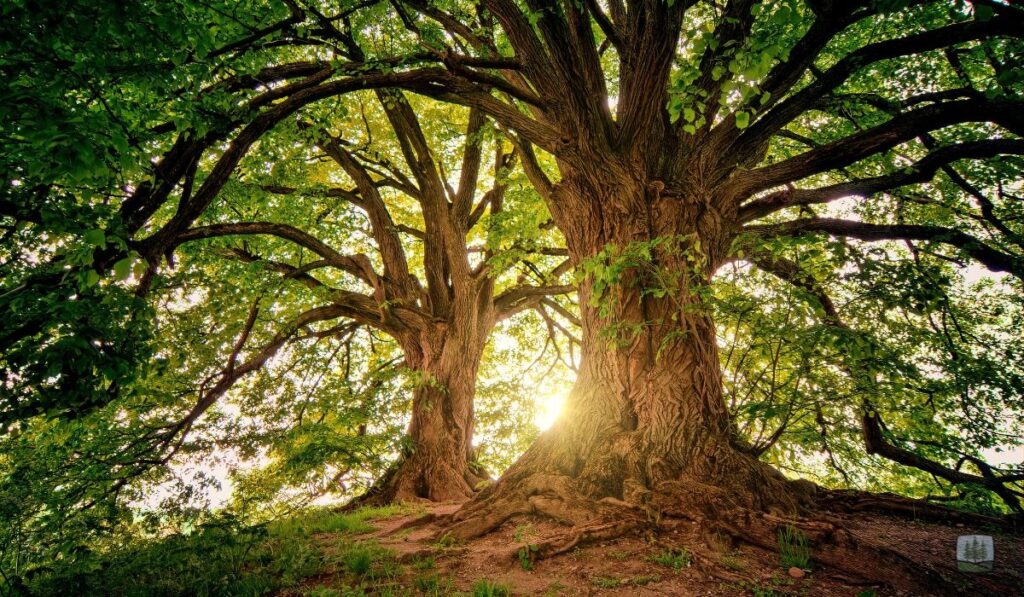
That tree in your backyard might seem like just part of the landscape, but let’s be honest, it’s doing a lot more than you realize.
According to research from the Arbor Day Foundation and the US Forest Service, trees contribute more than $31.5 billion to American home property values annually. And from our experience, most people never consider that.
But the tree facts in Kokomo, IN that matter most are the ones that hit close to home. This guide explores the interesting facts about trees that impact your property, your safety, and your wallet.
We’ll look at how trees provide shade and savings, and why more than half of homeowners miss the full picture when it comes to maintenance.
We recently discussed the act of god insurance in a previous article and how it applies to landscape damage. Down the line, we’ll examine falling tree deaths per year statistics and why they matter for residential safety.
But first, understanding basic Indiana tree laws helps frame why knowing these facts about trees is essential for anyone who owns property with trees.
Short Summary
- Trees add over $31.5 billion to US home property values every year.
- The world’s oldest living trees have stood for more than 5,000 years.
- A single mature tree absorbs about 48 pounds of carbon dioxide annually.
- Tree roots connect through underground fungal networks to share resources with other plants.
- Dead trees serve as a major food source for wildlife and support ecosystem balance.
- Indiana’s best native trees include oak, sugar maple, and silver birch.
- Mature trees provide shade that lowers energy bills and boosts home prices.
Fun Facts About Trees From Around the World
Trees vary in size, age, and structure across the planet. These examples show how many trees adapt, survive, and shape ecosystems in ways most homeowners never expect.
Size and Age Extremes
Fact #1: The world’s tallest tree, Hyperion, reaches over 380 feet, while the giant sequoia dominates in mass. Most record breakers belong to coniferous trees, known for long lifespans and strong growth patterns.
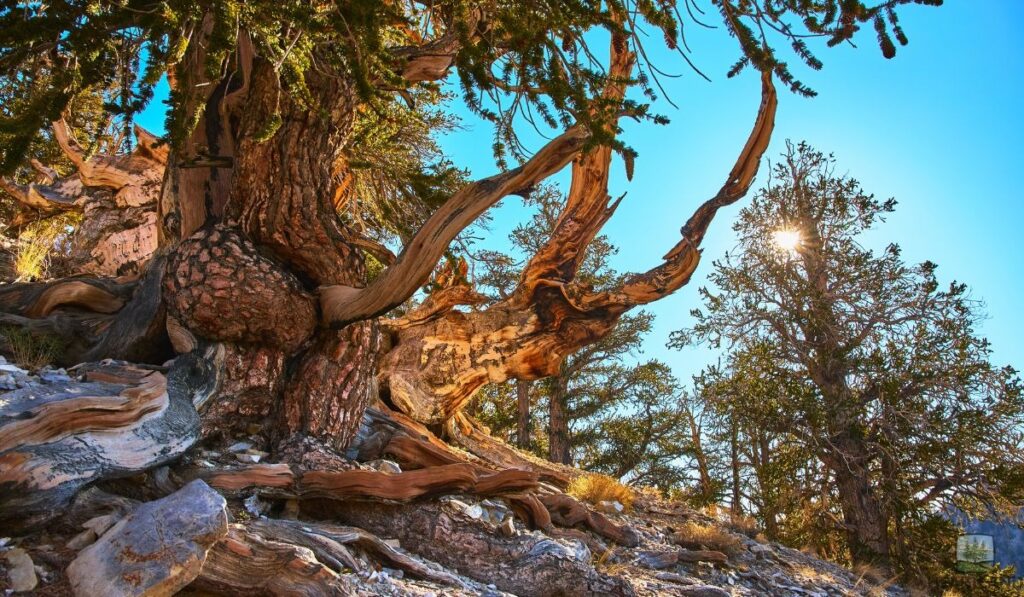
Fact #2: The bristlecone pine ranks among the oldest living trees, with some over 5,000 years old. Its tree trunk holds tree rings and growth rings that act like climate records.
From our field work, counting those rings often reveals drought years and extreme seasons. It’s like reading history in wood!
Origins and Evolution
Fact #3: The earliest known tree, Wattieza, lived around 385 million years ago. It helped shape early forests before modern tree form developed.
Fact #4: Tree ferns played a major role in forest evolution. These ancient plants once dominated landscapes where modern forests now stand.
You still see their influence today in humid regions and tropical regions where early plant traits remain.
Book Your Tree Removal Today!
Unique Forms and Adaptations
Fact #5: The dwarf willow, the world’s smallest tree, grows only a few centimeters tall. Compare that to a large oak tree, which can support hundreds of animal species.
Fact #6: Mangrove trees survive coastal flooding using aerial roots. These roots stabilize the tree and filter salt from water.
We often explain this to homeowners dealing with drainage issues. Roots matter more than expected.
Fact #7: The eucalyptus tree, specifically the mountain ash, is the tallest flowering plant. It shows how individual trees evolve differently across climates.
Rare and Unusual Trees
Fact #8: The world’s rarest tree, the Wollemi Pine in Wollemi National Park, was once thought extinct. It is now protected as an endemic tree species.
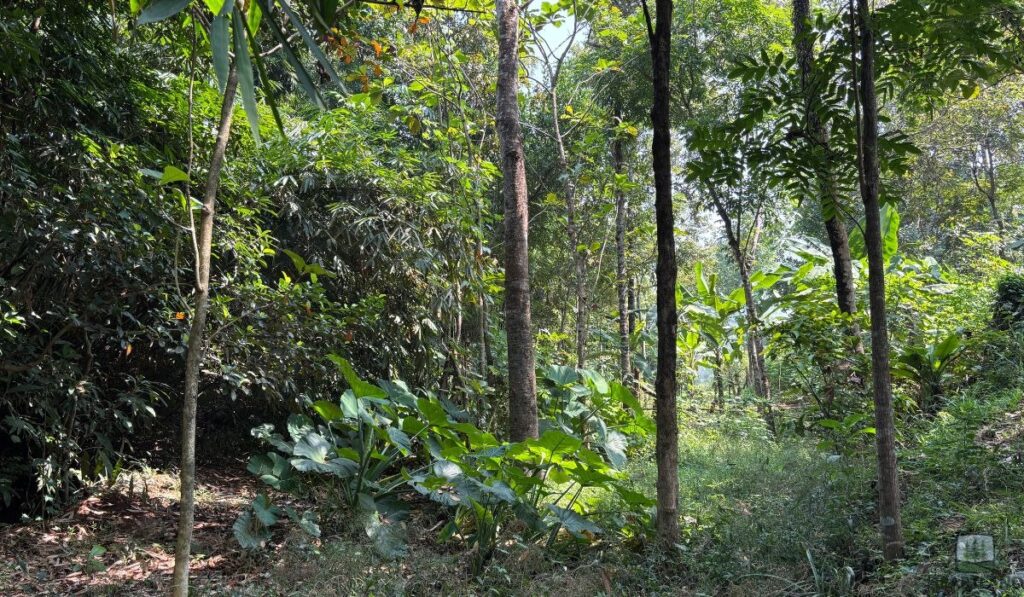
Fact #9: Over 73,000 tree species exist, including single country endemics found only in certain tropical regions. Diversity like this explains why many trees behave differently in each environment.
Fact #10: Moon trees came from seeds that traveled during Apollo 14. At least one single tree from that mission was planted in Indiana.
Fun fact, the moon’s orbit caused those seeds to experience conditions no Earth-grown seeds ever had.
What Trees Do for Your Property and the Planet
Trees quietly work behind the scenes every day. From air quality to property value, their impact goes far beyond what most homeowners notice.
Climate and Environmental Impact
Fact #11: A single tree absorbs about 48 pounds of carbon dioxide each year. That makes planting trees one of the simplest ways to battle climate change.
In real projects, adding even a few trees can shift yard temperatures and energy use.
Underground Communication
Fact #12: Tree roots connect through mycorrhizal fungi, forming a shared network. This allows other trees and other plants to exchange nutrients.
We have seen trees recover faster when their root system stays intact. It is a hidden support system.
Life Cycle and Ecosystem Role
Fact #13: Dead trees and dead wood serve as a major food source for insects and wildlife. This supports ecosystem balance in both urban and rural areas.
Removing every dead section may look clean, but it can disrupt local habitats.
Health and Everyday Living
Fact #14: Street trees and nearby trees reduce air pollution and block other harmful pollutants. They also help reduce stress, mask unwanted noise, and deflect sound waves.
We often recommend strategic placement to improve privacy and comfort. It works.
Property Value and ROI
Fact #15: Trees repay their cost. Well-placed trees increase property values, especially when mature trees provide shade.
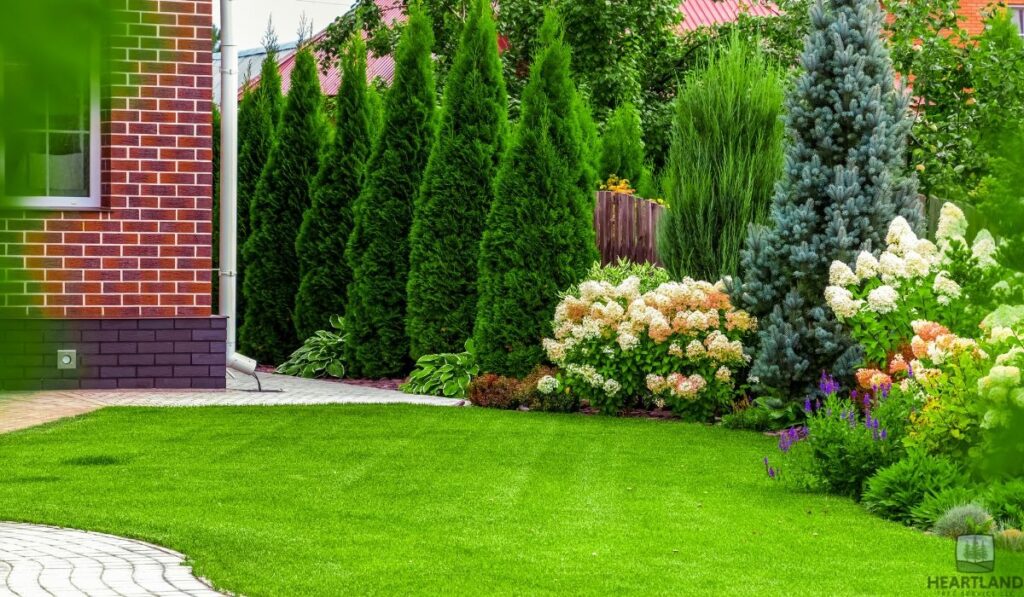
A young tree takes time, but long-term gains add up. Studies show tens of millions in energy savings across communities.
Moreover, older properties with healthy older trees often sell faster. Buyers notice them.
Many homeowners miss how trees affect safety, maintenance, and value. Proper care keeps trees strong as they grow, protecting both the home and the investment.
Tree Facts About Indiana’s Native Trees
Indiana landscapes feature a mix of reliable species and shifting trends. Knowing which tree species thrive helps homeowners make smarter planting and maintenance decisions.
Common Native Trees in Indiana
Many native trees in Indiana include oak trees, sugar maple, willow trees, and silver birch. These species handle seasonal changes well and support local wildlife.
From our experience, a sugar maple works great for shade and fall color, while willow trees suit areas with excess moisture. A large oak tree often becomes a long-term anchor in a yard.
Apple trees are widely planted for fruit, even though they are cultivated rather than native. They still perform well with proper care.
Some homeowners ask about palm trees, but Indiana’s climate limits their survival. They do not naturally thrive here, unlike species found in a temperate rainforest.
2026 Trends: Climate and Tree Cover Shifts
The US Forest Service and state forest service continue tracking changes in tree cover. These reports show how climate change affects where species naturally occur.
Warmer conditions shift planting zones. Some trees struggle, while others adapt faster than expected.
We have seen examples where certain species decline in stressed soil, while others grow stronger. Planning ahead matters.
New “Old Forest” protections in 2026 focus on preserving mature ecosystems. These areas support biodiversity and stabilize land over time.
Non-native options like cork oak require careful review. They may grow, but performance varies depending on soil and weather.
For most properties, sticking with proven local species delivers better results.
Tree Facts About Indiana’s Native Trees
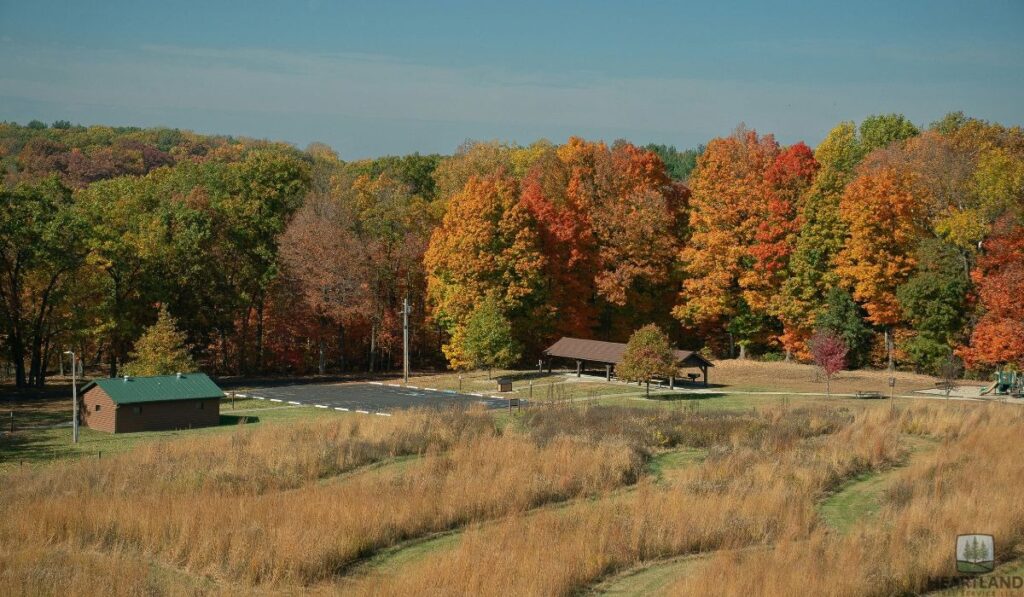
Let’s bring this closer to home. Indiana has some beautiful native trees that thrive in our soil and climate. Knowing what grows naturally here helps you make smarter choices for your landscape. We’ve spent years working with these species across Kokomo properties.
Common Native Trees in Indiana
Oak trees dominate many of our local forests. You see them everywhere once you start paying attention. Sugar maple is another heavyweight in this region. People love them for the fall color and the shade they throw. Willow trees prefer wetter spots near creeks or low areas.
Their branches sweep the ground in a way that looks almost theatrical. Silver birch stands out with its white bark that peels like paper. It grows faster than oaks but doesn’t live as long.
You’ll also spot apple trees around older properties. They aren’t technically native trees, but people planted them for generations. The fruit draws wildlife and makes for good pies.
Some folks ask us about palm trees in Indiana. Look, you see them for sale at big box stores sometimes, but they aren’t native here at all. Our winters would wreck them. Stick with tree species that belong here and they’ll last for decades with less fuss.
2026 Trends: Climate and Tree Cover Shifts
Things are changing though. The US Forest Service and our state forest service keep close tabs on tree cover across Indiana. They track where tree species are thriving and where they struggle.
Climate change shifts the areas where each species naturally occurs. Some southern species slowly creep north, while others lose ground at their southern edges.
In 2026, we see more attention on “Old Forest” protections.
These are stands of mature trees that survived early logging days. They matter because they show us what true temperate rainforest looked like here before settlement.
Not that Indiana ever had rainforest like the Pacific Northwest. But our humid forests support dense growth that surprises people from drier states.
One tip from experience. If you want to plant something unusual like cork oak, get professional assessment first. Most trees from other continents struggle here.
The ones that survive sometimes cause problems we didn’t predict. We recommend sticking with proven performers for your yard.
Final Thoughts
Trees are pretty amazing when you stop and think about them. We covered tree facts from around the world, but the ones in your own yard matter most. They boost property values, clean the air, and provide shade that saves you money.
The impact builds over years. A single tree planted today will serve your family for generations.
Give your trees a little attention. They work hard for you every day. Check in on them. Walk your yard and look at your trees with fresh eyes after reading this. Spotting issues early keeps them healthy longer. Mature trees on your property are worth protecting.
If you have questions about anything you read here, our homepage has resources to help. You can find guides, service info, and more tree facts there. Individual trees matter. The right care makes all the difference for them and for your home.