
From our experience working with homeowners here in Kokomo, the first rumble of thunder often brings the same question: “Is my homeowners’ insurance going to cover this?” It’s a fair concern, especially when we look at the numbers.
Back in 2025, the U.S. saw 23 separate billion-dollar weather and climate disasters. Total damages? Roughly $115 billion. That’s a huge jump from the 1980s, when we’d only see about three of these events a year. Wind, hail, lightning. The usual suspects.
But when a truly violent storm sweeps through, the line between a routine claim and a complex act of god insurance in Kokomo, IN situation gets blurry.
We put this guide together to help you understand exactly what coverage you have when extreme weather strikes, how the insurance industry views these natural disasters, and what it all means for your property.
You might remember our previous discussion on Can I Sue My Neighbor if his dead tree falls on My House, which touched on property lines and responsibility. This piece builds on that by looking at the nature of the storm itself.
And if you’re curious about the specific rules governing your yard, our main guide to Indiana tree laws breaks down all the legal details. We also cover practical tree facts in the upcoming content.
For now, let’s focus on how your policy responds when Mother Nature decides to throw a tantrum.
Short Summary
- Act of god insurance clauses only apply to natural events beyond human control. If neglect played a role, your claim might get denied.
- Standard homeowners’ insurance typically covers tree damage from high winds and lightning strikes. It pays for structural repairs and removal when a tree hits your house.
- Flood damages require separate flood insurance through the National Flood Insurance Program. Regular policies exclude rising water completely.
- Your insurance company expects reasonable care from you. Dead limbs and visible decay can shift liability your way when severe storms hit.
- Document everything before cleanup. Photos of standing water and damage prove your losses caused by the storm rather than your actions afterward.
- Carefully review your home insurance policies now. Understanding your coverage before extreme weather arrives saves major headaches later.
What Is an “Act of God” in the Insurance Industry?
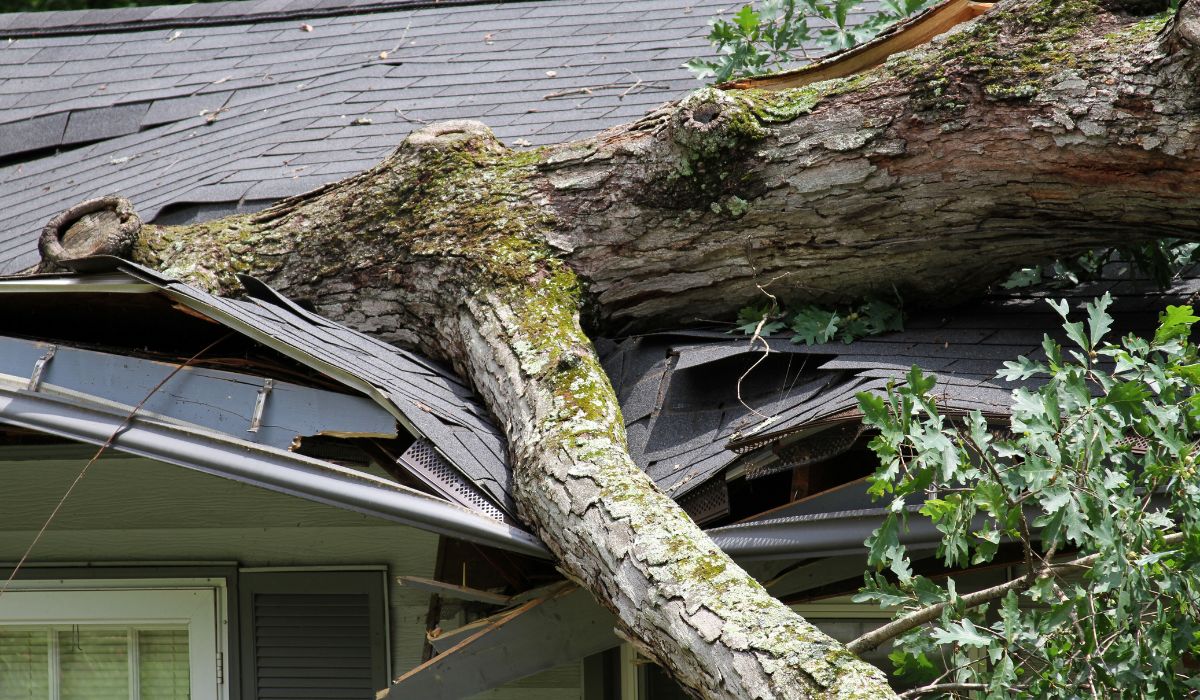
When a big storm rolls through Kokomo and drops a massive oak onto your garage, the first call goes to your insurance agent. The second question usually involves that phrase we hear all the time: act of god. But what does it actually mean for your wallet?

The Legal and Insurance Definition
The insurance definition of an act of god points to a natural event caused strictly by nature. No human control involved. No human intervention either. It’s just pure, unstoppable weather doing its thing.
Insurance companies borrow language from contract law here. They look at something called force majeure, which is a fancy way of saying “acts beyond human power.” They also consider reasonable foresight.
Could you have seen this coming? Probably not with a surprise tornado. That’s why they call these extraordinary circumstances. When a storm blows through with winds nobody predicted, that fits the bill.
We had a client once ask us, “If God threw the tree, will the insurance company catch it?” Cute question.
The real answer depends on the god clause in their policy. Every insurer writes these clauses a bit differently. Some are generous with wind damage. Others fight tooth and nail over a single branch.
Common Acts vs. Human Activity
Lightning strikes count as common acts of nature. So do high winds, hurricanes, and even earthquakes in certain parts of the country. These are specific acts that nobody can blame on poor planning or neglect.
But here is where it gets sticky. Not every weather event automatically qualifies. Say a storm rolls through and knocks down a tree that has been dead for years. You knew about it. You meant to call us. You just never got around to it.
Now the human activity part kicks in. Your failure to act might shift the whole situation. The insurance company could argue that most acts of nature wouldn’t have caused damage if you had done your part.
Nature starts the conversation. Your maintenance finishes it.
Book Your Tree Removal Today!
How Standard Homeowners Insurance Typically Responds
Once the storm passes and the chainsaws stop running, you’ll want to know exactly what your policy covers. We’ve walked countless homeowners through this process after severe weather rolled through Howard County.
What Most Home Insurance Policies Cover
Standard homeowners’ insurance policies actually handle storm damage pretty well in most cases. Your homeowner’s insurance policies typically list specific “perils” they cover. Wind is almost always on that list.

Damages caused by a tree falling on your house? Covered.
Damages caused by lightning splitting a massive limb? Also covered.
Most homeowners’ insurance will pay to remove the tree if it damages an insured structure. That means your house, your garage, or your shed. If the tree just falls in the yard and misses everything, cleanup is usually on you.
We’ve seen plenty of situations where a massive limb crashes through a roof, and the insurance company cuts a check for both the structural repairs and the tree removal. That’s the kind of coverage you want when severe storms roll through.
Most insurance policies draw a clear line between wind and water, though. Wind knocks the tree down? You’re probably in good shape. Water lifts the tree and carries it? Different story.
When Vehicles and Other Property Are Involved
Your home insurance typically doesn’t cover vehicles. Even if that giant oak crushes your truck flat, your homeowners’ insurance will shrug and point you toward car insurance. This catches people off guard every single time.
Comprehensive coverage on your auto policy handles these situations. That’s the part of your car insurance that covers things besides crashes, which includes:
- Falling trees.
- Hail damage.
- Deer running out at night.
If you carry it comprehensively, your insurance company should treat that smashed truck just like any other losses caused by nature.
We watched a neighbor lose both his porch and his pickup to the same falling maple a few years back. Two different policies. Two different deductibles. Two different claim processes.
The insured has to file separate insurance claim forms for each one. It’s a headache, but that’s how the system works.
The key is acting fast. Document everything before you move a single branch. Your insurance company needs to see what happened. Take pictures from every angle. Write down when the storm hit. Save weather reports if you can.
That paperwork makes the whole claim process smoother when you’re already stressed about the mess in your yard.
What’s Often Excluded: Floods, Earthquakes, and Separate Coverage
Here’s where things get tricky for homeowners in Indiana. You might assume your policy covers everything nature throws at you. That assumption can cost you thousands!

Flood Damages and the Need for Separate Flood Insurance
Floods are the big ones. Flood damages sit firmly in the excluded category for nearly every standard homeowners’ insurance policies.
Water that rises from the ground and creeps into your home? Not covered. Even if heavy rains caused the flood. Even if a storm blew through the night before.
If you live in a flood-prone area, you need separate flood insurance. Period. Check with the national flood insurance program to see if your property qualifies. The Federal Emergency Management Agency maps out these zones.
Your mortgage lender might even require this coverage if you are in a high risk spot.
We once had a customer who thought his policy covered everything. Then the creek near his property rose after heavy spring rains. Water ruined his basement and took out a beautiful old walnut in his backyard. The tree was the least of his worries.
His insurance coverage paid nothing for the water damage. Nothing. He learned the hard way that certain types of water events require their own protection.
Tree Maintenance, Reasonable Care, and Liability Risks
This section hits close to home for us. We’ve spent years cleaning up after storms in Kokomo. Some of that work comes from pure bad luck. Some come from trees that should have been dealt with years ago.
When a Storm Isn’t the Whole Story
Insurance policies carry this quiet requirement called reasonable care. It means you can’t ignore obvious problems and then blame the weather when things go wrong. Your homeowners policy expects you to maintain your property.
Dead limbs hanging over your house count as neglect. Decay eating away at a massive trunk counts too.
We saw a situation last spring where a big oak came down during a storm. The homeowner filed a claim. The insurer sent an adjuster. That adjuster spotted rot that had been visible for years. Suddenly, the conversation shifted.
The damages caused by the storm became a preventable hazard instead of a pure act of nature.
Your liability changes when neglect enters the picture. If your dying tree falls on a neighbor’s fence, you might be writing that check yourself. The storm just finished what neglect started.
Protecting Your Property Before and After Severe Storms
Walk your property before severe storms hit. Look for dead branches. Check for cracks in the soil around the base. Spot any mushrooms growing near the trunk. Those are signs of decay inside.
When heavy rains come and the wind picks up, your first job is safety. Your second job is documentation. Take photos of standing water before you touch anything. Removing standing water is urgent.
But those pictures prove the losses caused by the storm rather than your cleanup work.
After the immediate danger passes, call the pros. We’ve pulled people out of bad situations where they tried to clear massive limbs themselves. Chainsaws and wet ladders don’t mix.
Let the folks with proper gear handle the dangerous stuff. Your safety matters more than saving a few bucks.
Natural disasters test everyone’s patience. Being prepared before they hit makes all the difference. A little attention now can save you from big headaches later when god events roll through town.

Key Takeaways Before Filing an Insurance Claim
Here are the big lessons we’ve picked up from years of helping homeowners navigate storm damage.
Carefully read your policy documents. We know they’re dull. We know they are long. But carefully review what your home insurance policies actually say about storm damage. Look for the god clause. See how your company defines weather events.
Document everything before you move a single stick. Take pictures from every angle. Write down when the storm hit. Save weather reports if you can. This paper trail proves the losses caused by the storm rather than your cleanup efforts.
When you call your insurance company, be clear and honest. Describe what happened. Stick to the facts. If the tree had dead branches before the storm, mention that. Hiding it will only cause problems later.
If they deny your claim under the god clause, ask why. Get the explanation in writing. Weather reports help. Neighbor statements help. Professional assessments from tree experts help too.
Understand your coverage before the next event. Don’t wait for the storm! Look at your policies now. Ask questions now. Make changes now if you need broader protection.
Final Thoughts
Not every natural event counts as an act of god insurance win. Plenty of severe storms and extreme weather moments leave gaps in homeowners’ insurance that catch folks off guard.
The insurance industry draws clear lines, and understanding them ahead of time saves headaches later. Stay proactive. Check your trees regularly, know your policy inside out, and take steps to protect your place year-round.
Kokomo sees its share of rough weather, so a little prep goes a long way with insurance coverage and natural disasters. Swing by our homepage anytime for more straightforward tips on keeping your property safe. We’re here when you need us.
Frequently Asked Questions
Disclaimer: This article is for general informational purposes only and does not constitute legal, insurance, or professional advice. Policies, laws, and circumstances vary, and readers should consult qualified professionals before making any decisions. Heartland Tree Services is not responsible for any actions taken or not taken based on the information provided and assumes no liability for errors, omissions, or outcomes related to this content.