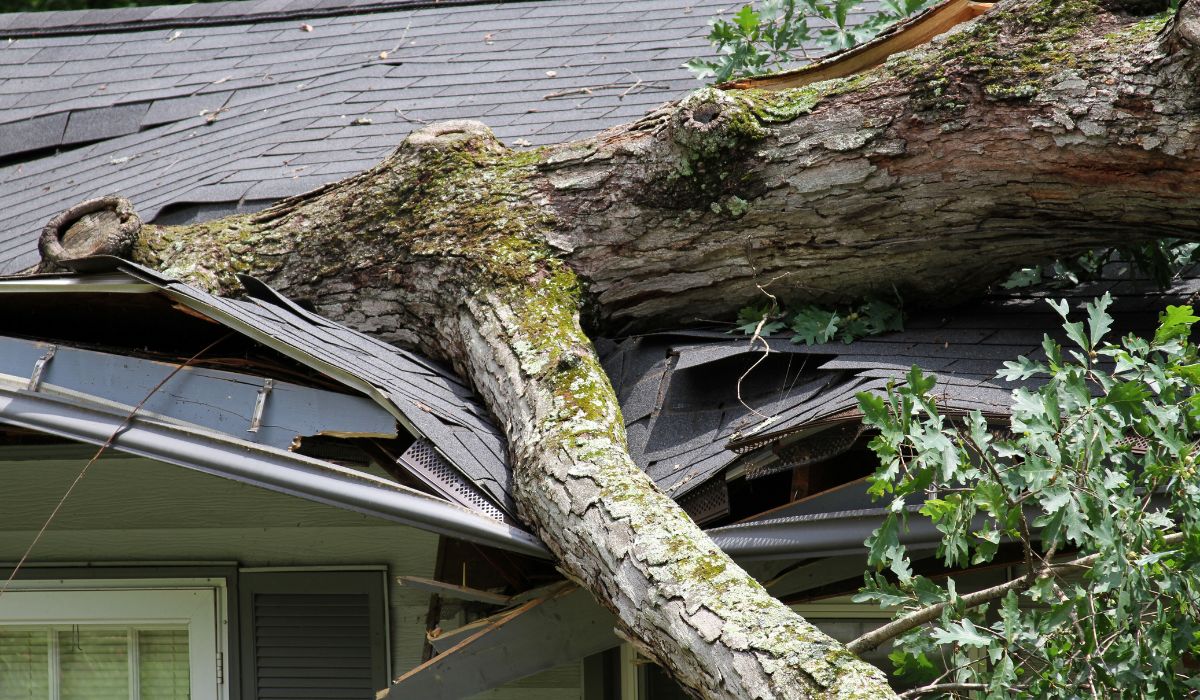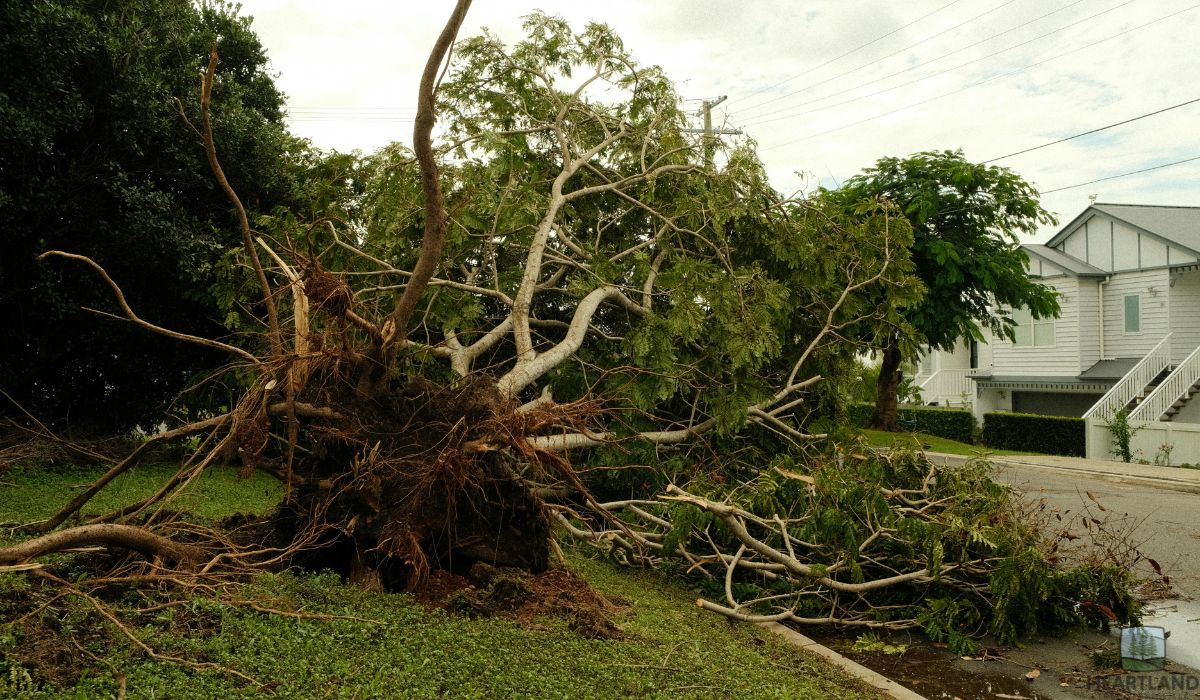
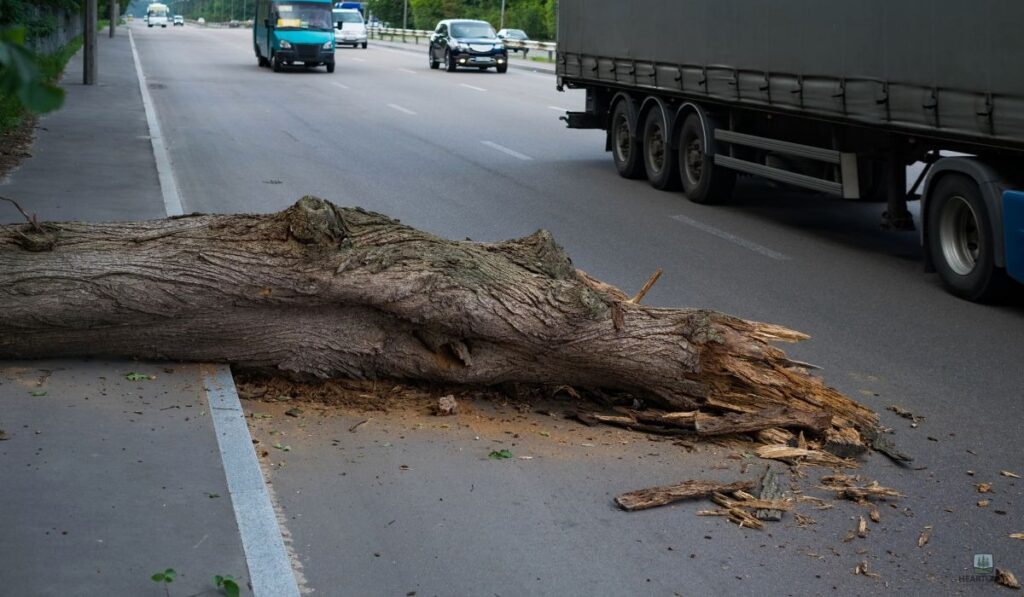
According to long-term data from ResearchGate, falling tree deaths per year in the U.S. average 30 to 40. That number may be low, but serious injuries and major property damage from tree fall fatalities happen much more often.
From our experience, a tree or large branch coming down is almost never a random act of nature. It’s a preventable event. The real question is not if a storm will hit. It’s whether your trees are ready for it.
We covered tree facts in a previous article. Next, we’ll break down tree service cost so you know what to expect. And for a deeper look at property rules, our main post on Indiana tree laws has you covered.
For now, let’s look at where these incidents happen and how you can stay ahead of the risk.
Short Summary
- 30 to 40 people die from falling trees each year in the U.S.
- Most tree fall fatalities happen in vehicles during storms.
- A healthy tree rarely fails. A compromised tree is the real danger.
- Tree work is 10 to 30 times more dangerous than the average job.
- Homeowner‘s insurance may deny claims if you ignored a dead tree.
- Walk your property yearly. Look for cracks, decay, or a sudden lean.
How and Where Tree Fall Incidents Happen
Weather tracking services recorded 34 people killed by falling trees during severe weather events in the U.S. in 2025.
Here’s the stat that catches most people off guard. Nineteen of those 34 deaths occurred in vehicles. That means driving during an active storm is one of the highest-risk things you can do.
So what kind of weather causes this trouble? High winds and storms are the usual suspects. The National Weather Service issues a severe thunderstorm warning when wind speeds hit 58 mph or higher.
At that speed, whole trees come down. In fact, severe thunderstorms account for 41% of deaths caused by fallen trees. That is more than any other single weather event.
The remaining fatalities typically involve people outdoors or inside a home. Often, they had no idea a weakened branch was already compromised.
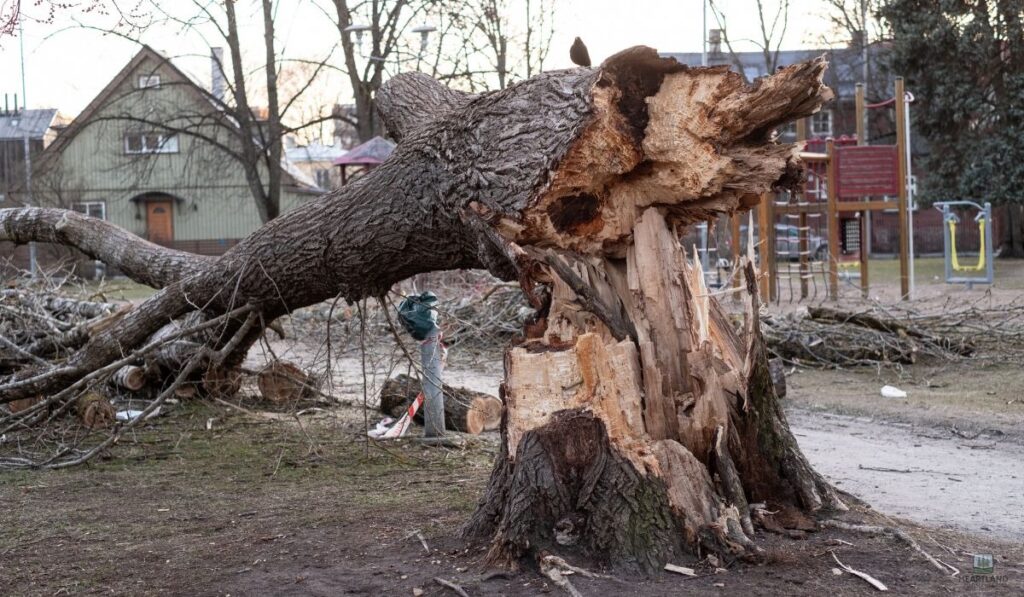
So who’s most at risk? Areas with volatile storm patterns see the highest numbers. Numerous trees can fall at once when straight-line winds exceed 60 mph.
Here’s a local reality check. Indiana spring and summer storm season brings a history of high wind events and severe thunderstorms. That puts Central Indiana homeowners in a higher exposure category than many other U.S. regions.We saw this firsthand in May 2025 when a tree fell on a family vehicle in Greene County, killing a 33-year-old woman and injuring three children. Events like that remind us that tree fall incidents are not just statistics. They happen in our own backyards.
Book Your Tree Removal Today!
Warning Signs of an Unhealthy Tree in Your Yard
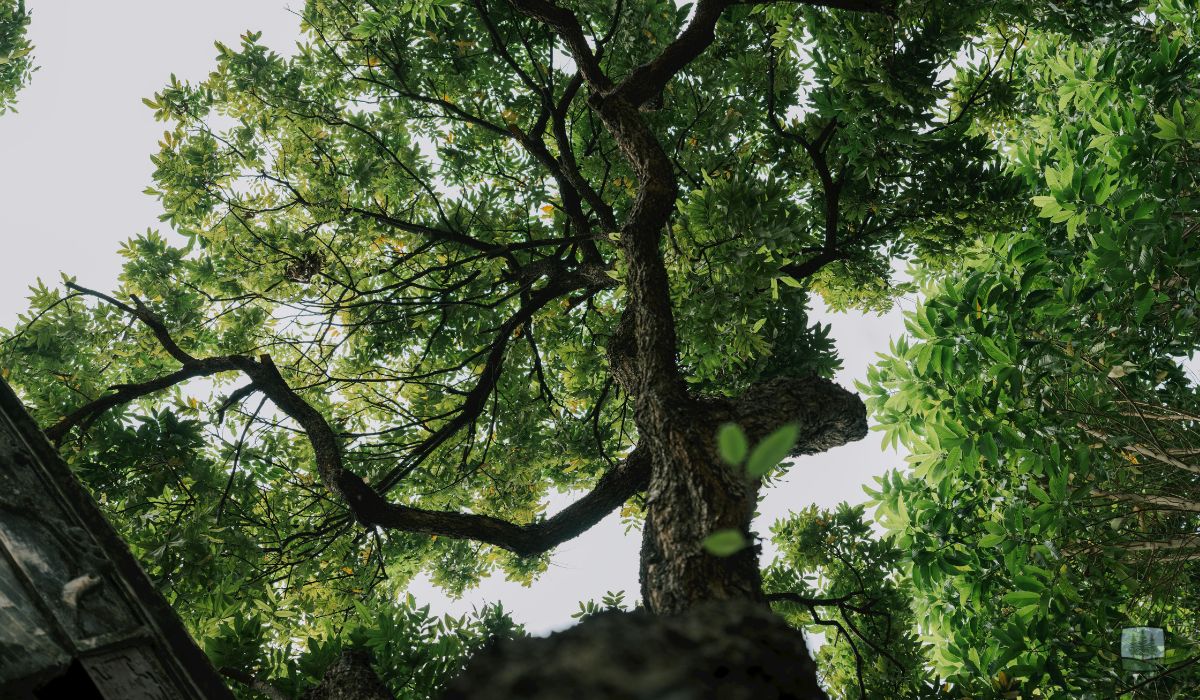
A structurally sound, healthy tree rarely fails on its own. That’s the truth. The real danger comes from a compromised tree that has been quietly declining for months or even years. So how do you spot trouble before it spots your house or family?
Quick Visual Checklist — Signs a Tree May Be Failing
Walk your yard and look closely at every large tree. Here’s what we tell our customers to check for:
- Deadwood or dead branches in the upper canopy
- Hollow or soft spots at the trunk base
- Cracks, splits, or gaps at major branch unions
- Fungal growth (mushrooms, conks) near roots or bark
- Visible lean that has increased over time
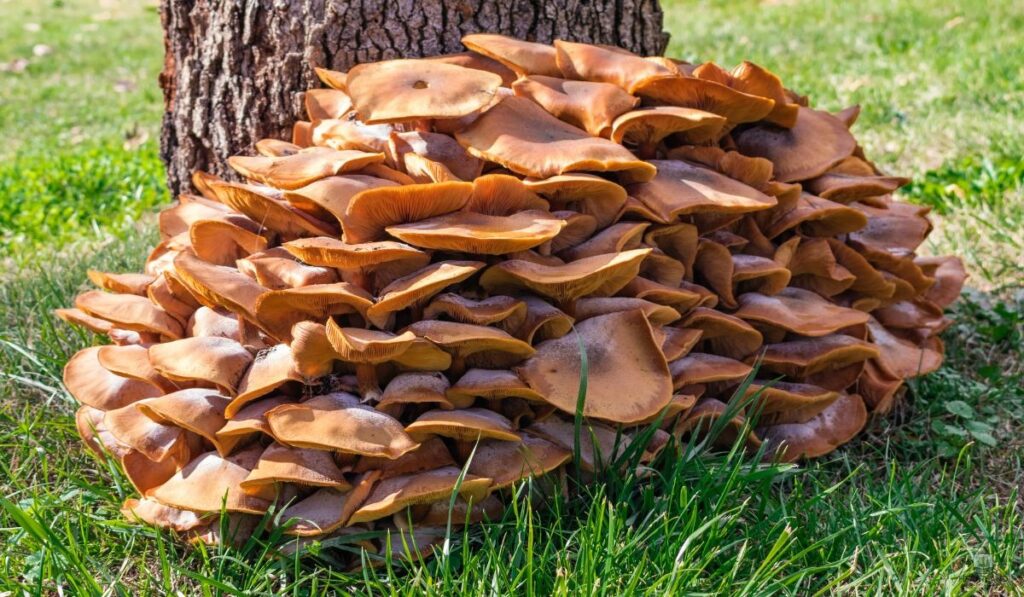
Fungal growth deserves special attention. When you see mushrooms or conks on a trunk, decay has likely been spreading inside for years. An unhealthy tree with advanced rot can drop a large falling branch with little warning.
Take these signs seriously. A falling branch from a visibly unhealthy tree puts your family, guests, and neighboring property at risk. It may also create insurance headaches if a preventable failure leads to damage. We’ll cover that next.
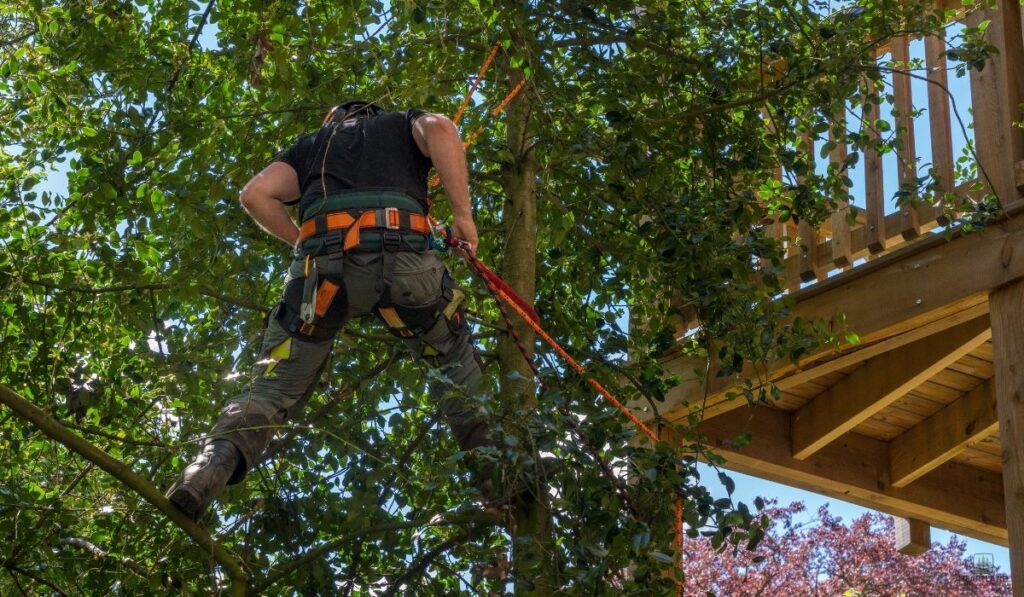
Why Professionals Face 10x the Industry Average Fatality Rate
Tree removal looks straightforward from the ground, but it’s not. Even for us, even with years of training, the job carries serious weight.
How dangerous is tree work?
The numbers tell the story. According to the Tree Care Industry Association (TCIA), our field has a fatal accident rate 10 to 30 times higher than the national average across all U.S. industries.
OSHA estimates the rate is roughly 15 times higher for tree care specifically.
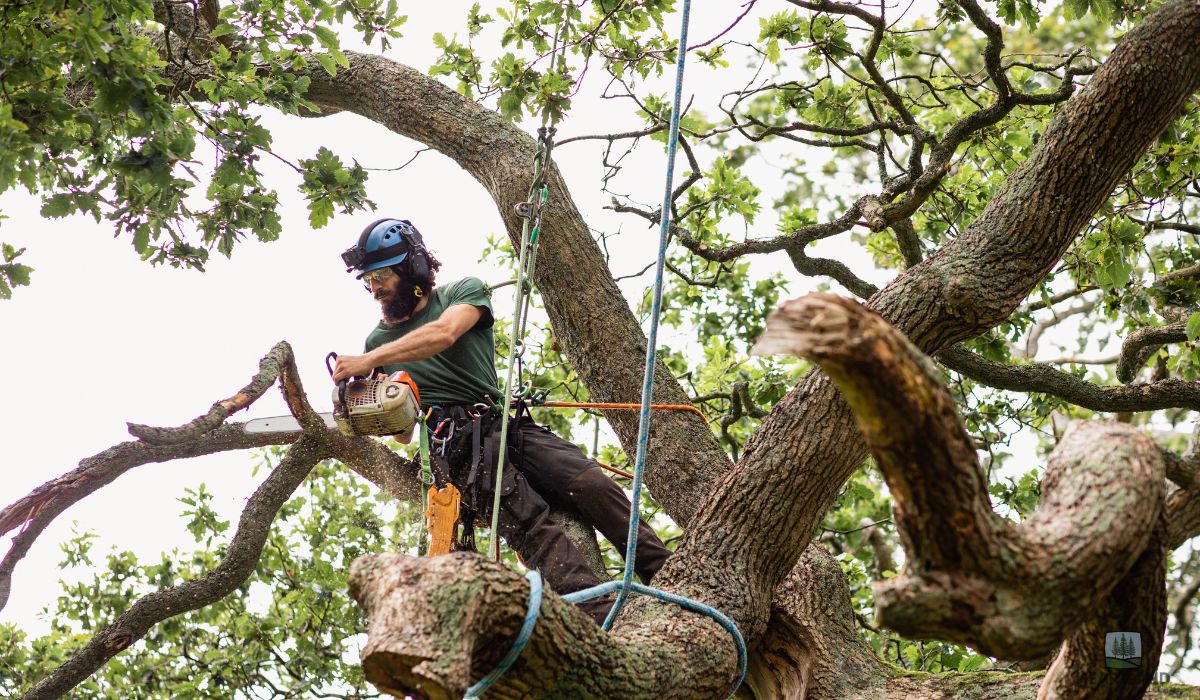
Why such a high number? Trained professionals work with specialized rigging ropes, cranes, and chainsaws. We map out drop zones.
We follow every occupational safety protocol OSHA and the health administration require. Yet we still face life-threatening risk on every removal.
Here’s the honest takeaway for homeowners. If a professional contractor with the right gear faces this level of danger, what does that mean for you?
An untrained person trying to cut a large compromised tree is in a genuinely dangerous position. That’s not a scare tactic. That’s the process we see play out every year. The risk is real.
Insurance, Prevention, and What Homeowners Can Do Now
When a tree fails, the first headache is often the insurance paperwork. Navigating a homeowner‘s policy after damage can feel like learning a new language.
Here’s how coverage typically works. If a healthy tree fell due to sudden high winds or a storm, a standard homeowner‘s policy generally covers the resulting damage to your home or other structures.
But here’s the catch. If the tree was visibly dead, rotting, or decaying and you didn’t act, the insurer may deny your claim. They call that negligence, and they don’t pay for it.
Take this seriously. A dead tree you leave standing becomes your financial responsibility when it falls. It also puts your family and neighbors at risk. The best move is prevention.
Annual Tree Safety Checklist for Homeowners
- Inspect all major trees on your property at least once a year. Do it before spring storm season.
- Identify and document any dead or decaying wood before a limb can fall or snap.
- Have structurally unstable or dead trees professionally removed before storm season peaks.
Need help with tree removal in Kokomo? We’re just a call away. A little work now saves a lot of trouble later.
Final Thoughts
The falling tree deaths per year statistics show fatalities are rare. But injuries and property damage happen much more often. Almost every case traces back to a tree that was already weak or sick. That is good news. It means you can do something about it.
Walk your yard. Give your trees some attention. If you see a leaning trunk, a hollow base, or significant deadwood, don’t guess. Call a qualified ISA-certified arborist for a real look.
Learn more about local tree care in Kokomo.
Stay on top of your trees. Simple steps keep your family and yard safe year after year. Drop by our homepage anytime for more tips and help.