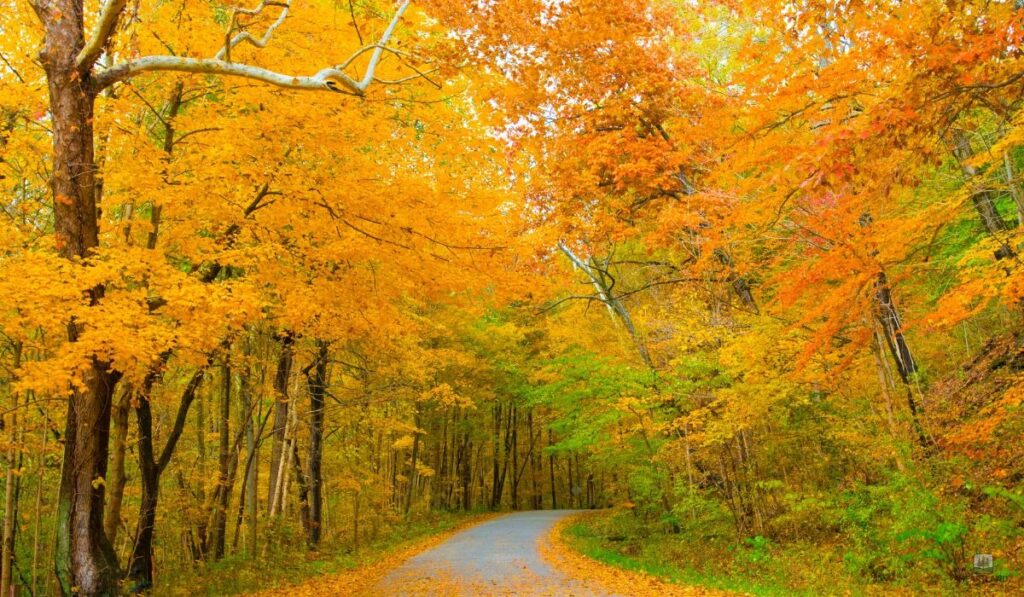
According to Purdue University research, invasive species have changed Indiana’s forests in major ways, with ash tree seedling numbers in some woodland areas falling by more than 70% over the past decade.
Protecting a beautiful landscape takes more than occasional care. From our experience, small pest issues can spread quickly when homeowners miss the early signs.
This guide explains tree insect management in Kokomo, IN, helping you use regular monitoring and early action to keep your trees and shrubs healthy while learning how to protect your outdoor space from damaging pests.
Our previous article covered bugs that kill trees, while the next guide explores what a diseased tree looks like. Together, these topics support better tree health decisions for your property.
Short Summary
- Regular monitoring and early detection protect your Kokomo landscape from common tree pests.
- Learn to spot emerald ash borers, scale insects, aphids, spider mites, and Japanese beetles before major damage hits.
- Use integrated pest management with natural controls first, then targeted professional treatments when needed.
- Early intervention in spring or fall keeps your trees and shrubs healthy for years.
- Our team at Heartland Tree Service LLC offers complimentary assessments to give you clear, practical next steps.
Spotting the Enemy: Common Tree Pests in Kokomo
Indiana properties face a rotating cast of damaging insects each season. We’ve treated thousands of trees across Kokomo, and these four offenders cause the vast majority of our calls. Learning to identify them early makes all the difference.
Emerald Ash Borer
This pest changed everything for Indiana’s ash trees. The emerald ash borer arrived in the Midwest and started wiping out entire stands of trees.
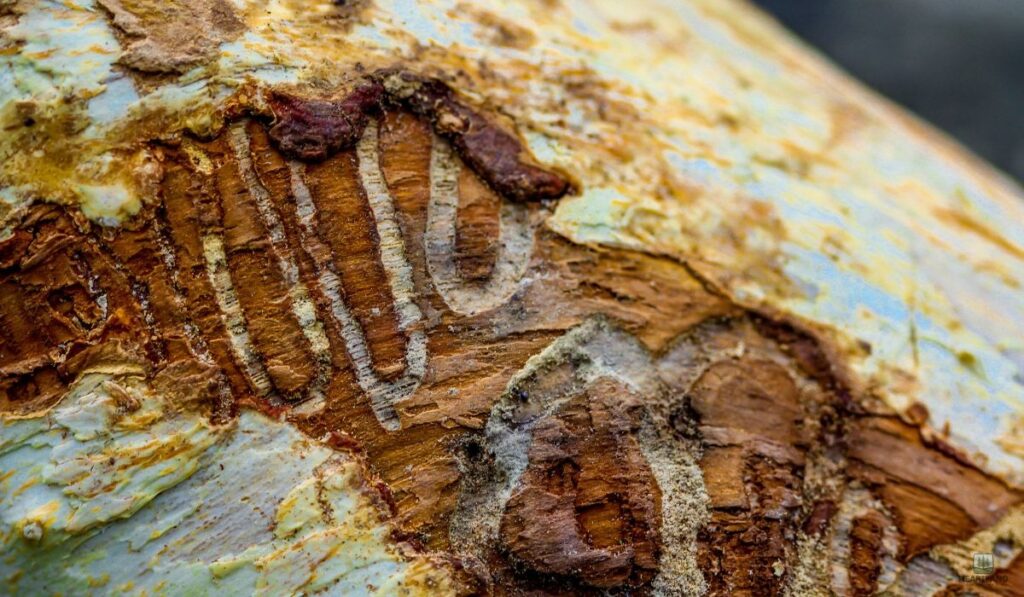
Adult beetles lay eggs on the bark. When those larvae hatch, they bore straight into the wood. They feed beneath the surface, cutting off water and nutrient transport. The tree starves from the inside out.
Here’s what we see most often. Homeowners notice a thinning canopy and think it’s just drought stress. But by that point, the infestation is usually advanced. Trees with significant canopy loss can’t be saved, sadly. Prevention is the only real cure.
We recommend preventive treatment for any healthy ash trees within fifteen miles of a confirmed infestation. That covers just about all of Kokomo these days.
Scale Insects and Aphids
These tiny bugs feed on sap. Scale insects and aphids both drain nutrients from twigs and branches. They aren’t flashy. They don’t eat holes through leaves like other pests. But they weaken trees and shrubs over time.
Ever notice sticky sap coating your car parked under a tree? That’s honeydew. These insects excrete it onto leaf surfaces. The honeydew invites black sooty mold. The mold doesn’t directly harm the tree, but it blocks sunlight, reducing photosynthesis. The tree then loses energy.
Here’s a tip we give every client. Check the underside of leaves for clusters of small insects. Look for that sticky residue on foliage. Also keep an eye out for beneficial insects like lady beetles. They are nature’s own shrub insect control system. If you see them, let them work.
Book Your Tree Removal Today!
Spider Mites and Japanese Beetles
These two cause damage that’s hard to miss. Spider mites are tiny; you might need a magnifying glass to see them. But their damage shows up clearly. They cause speckling and discoloration on evergreen foliage. The needles turn yellow and drop off.
Japanese beetles are easier to spot—they are metallic green and bronze. They feed aggressively during peak growing season. They skeletonize leaves, eating the soft tissue between veins. What remains looks like lace.
Both can cause significant damage within a short window. We once treated a property where Japanese beetles defoliated three mature linden trees in less than a week. Unfortunately, the homeowner waited too long to call us.
Now, we tell every client to act fast when they spot these common pests. Early treatment saves the tree!
Recognizing the Warning Signs: Pest Damage vs. Tree Diseases
Tree problems often look similar to the untrained eye. A thinning canopy might mean insect infestation. Or it might mean a tree disease. Sometimes it means both. We help Kokomo homeowners tell the difference.
Look for structural signs first. Pests leave physical evidence. You might spot small holes in the bark. Emerald ash borer leaves D-shaped exit wounds. You can’t miss them once you know what to look for.
Thinning canopy and discolored leaves on multiple branches also point toward insects. The damage is usually uneven. Some branches look fine, while others look terrible.
It’s important to note that plant diseases behave differently. Take powdery mildew. It shows up as a white or gray coating on leaf surfaces. You won’t find holes or missing foliage. The leaf is still there, just covered in fungus. The symptoms are superficial at first.

Stress complicates everything. Drought, poor drainage, and soil compaction leave trees vulnerable. A stressed tree attracts both pests and diseases simultaneously.
We see this constantly around Kokomo. The dry summers hit hard, tree weakens, then the bugs move in.
Here’s the critical point. You can’t treat an active infestation with fungicides. Fungicides prevent fungal diseases. They do nothing to stop bugs. And systemic insecticides don’t cure a fungal infection. Getting the diagnosis right matters.
Early detection is everything. A correct identification in spring might mean saving a tree. A wrong guess in summer might mean removal by fall. We always tell clients to call us when they notice something off. A quick visit costs little. Losing a mature tree costs a lot.
The IPM Approach — Integrated Pest Management for Homeowners
Integrated pest management sounds complicated. It’s actually a pretty straightforward concept. The approach combines cultural practices, physical barriers, and targeted chemical treatments.
The goal is control, not a blanket pesticide spray that wipes out everything in sight. We’ve used this framework for years. It works!
Should you even bother with IPM? Yes. It saves money, protects your yard, and keeps the environment safer. Let’s walk through the two main pieces.
Early Detection and Annual Inspections
Start with a routine. Inspect trees each year. We recommend early spring for this job. That timing lets you intercept overwintering pest eggs before they hatch. Once those eggs become larvae, the battle gets harder.
Watering matters more than people realize. Dry periods stress trees, and stressed trees attract pests. We advise giving your trees 1 to 2 inches of water per week during dry spells. That reduces stress and keeps the tree strong. Strong trees fight off problems on their own.
Low-Impact and Natural Controls
Here’s where IPM gets interesting. We use beneficial insects as a first line of defense. Lady beetles and lacewings eat aphids and spider mites, and they’re free! They work around the clock. We tell clients to stop reaching for the spray bottle so fast.
Manual pruning removes localized infestations without chemicals. Cut off an infected limb. Toss it in the trash, done. Sticky barriers on trunks block crawling pests from climbing up. These simple tricks keep your yard healthy.
Environmental safety is a big part of IPM. Low-impact treatments reduce runoff into soil and water. Prevention through early intervention beats any cure. We’ve seen it play out on hundreds of properties across Kokomo.
Professional Tree Insect Management: Horticultural Oil and Targeted Treatments
Some infestations move beyond what DIY methods can contain. Knowing when to call a professional protects both the tree and surrounding plants.
We get calls every year from homeowners who tried everything. Pruned, sprayed, then watched the tree get worse. That’s when we step in.
Horticultural Oil Applications
Horticultural oil treatments work like a charm for certain pests. We apply them in late winter or early spring. The oil physically suffocates overwintering scale and mites on target plants. It coats the eggs and larvae. They can’t breathe, then they die.
Dormant oils are low toxicity. They are safe for the surrounding environment when applied correctly. We use them most often for scale insects and spider mites at the overwintering stage.
The timing is critical. Apply too early, and the pests aren’t active yet. Apply too late, and the damage is already done.
Systemic Insecticide Injections
Wood-boring pests are a different animal. Surface sprays don’t reach them. They hide beneath the bark. We use professional micro-injections to deliver systemic insecticides directly into the tree’s vascular tissue. The chemical moves through the tree from the inside.
This method stops pests like the emerald ash borer dead in their tracks. No surface spraying, no drift onto neighboring plants. The environmental safety factor is huge. The chemistry stays inside the tree’s system, which means less exposure for your family and pets.
Indiana Pesticide Regulations (2026 Update)
Indiana updated its rules recently. Senate Enrolled Act 216 changed how commercial applications work. Under these new rules, restricted-use pesticides require credentialed direct supervision and proper licensing. That’s the law.
This exists to protect Kokomo communities from improper chemical exposure. A licensed professional knows the correct rates. We understand the application windows. We follow safety protocols.
Professional evaluation matters more than DIY guesswork. You get targeted treatments that work without putting anyone at risk.
Homeowners buying restricted products online and applying them incorrectly? That’s a bad idea. The regulations exist for a reason. Let us handle the chemistry. You enjoy the results.
Final Thoughts
Here’s the bottom line. Early detection through regular monitoring gives you the best shot at protecting your yard’s overall health. We see it every season. A small issue caught in spring or fall saves decades of growth. An ignored problem turns into a removal.
Arborist inspections are the most effective tool you own. We recommend scheduling one at least yearly. Call us sooner if you spot symptoms. A thorough inspection and professional evaluation of your trees and shrubs costs little upfront. The alternative costs a whole lot more.
Heartland Tree Service LLC offers complimentary property health assessments for Kokomo homeowners. We walk your property with you. We point out potential problems. We answer your questions about shrub care and tree maintenance.
No pressure, just honest advice from people who care about your healthy yard.
Visit our homepage to learn more about our services. Or give us a call. We’d love to help you keep your landscape strong for years to come.