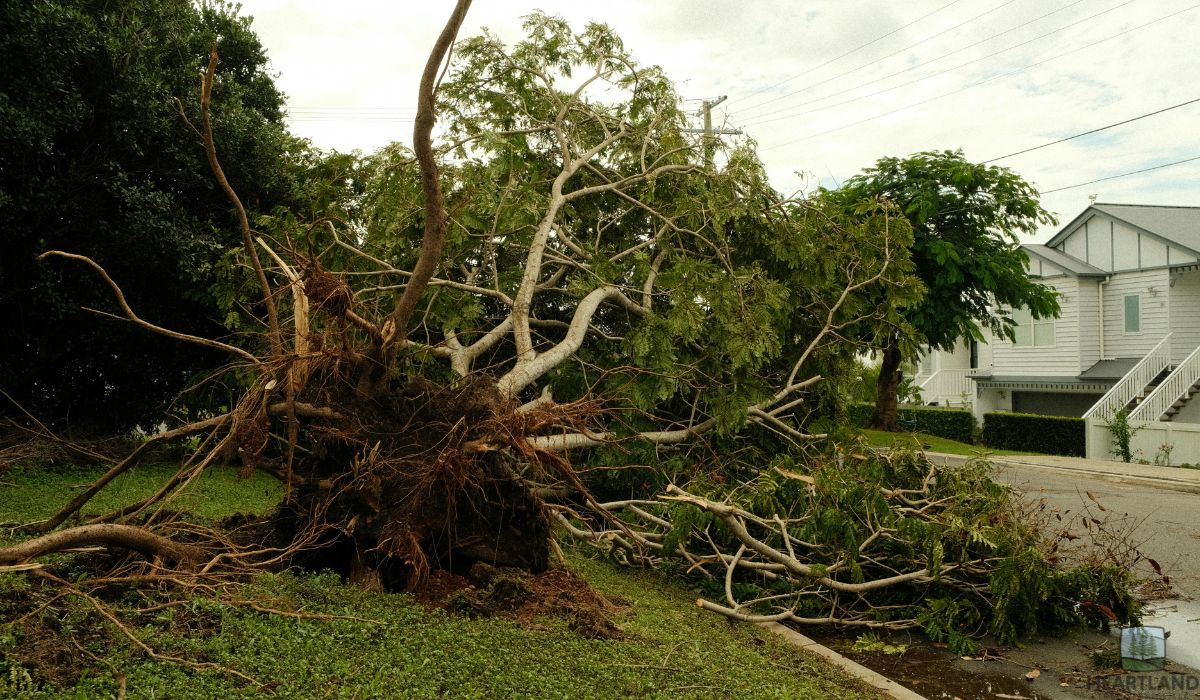
That rotten oak in your neighbor’s yard has been leaning for years. Now a storm rolls through Kokomo, and your heart sinks. A lot of uncharitable things flit through you head, and you think, ”Can I sue my neighbor if his dead tree falls on my house in Kokomo IN?”
Well, maybe, but it hinges on proving negligence. We get this question a lot. From our experience, the key often lies in what your neighbor knew about that tree before it became a fallen tree on your property.
This guide focuses on your legal right after property damage. For prevention, see our piece on tree service insurance requirements. If a healthy tree falls in a storm, our act of god insurance article explains coverage.
For all related rules, our main resource on Indiana tree laws is your pillar post.
Short Summary
- Responsibility depends on tree ownership, condition, and notice given before the fall.
- In most cases, insurance handles property damage first, then liability gets reviewed.
- A dead tree or ignored warning can shift fault to the tree owner.
- Clear records like photos, reports, and a certified letter make outcomes faster and fairer.
- Early inspections and maintenance reduce risk and future disputes.
Determining Liability: Who Is Responsible When a Neighbor’s Tree Falls?
When a tree fell across a fence or roof, the first reaction is usually confusion, not blame. Liability under Indiana law follows a few clear rules, and understanding them early saves time, stress, and money.
These basics show when a neighbor responsible argument holds up and when it does not.
The Trunk Rule and the Property Line
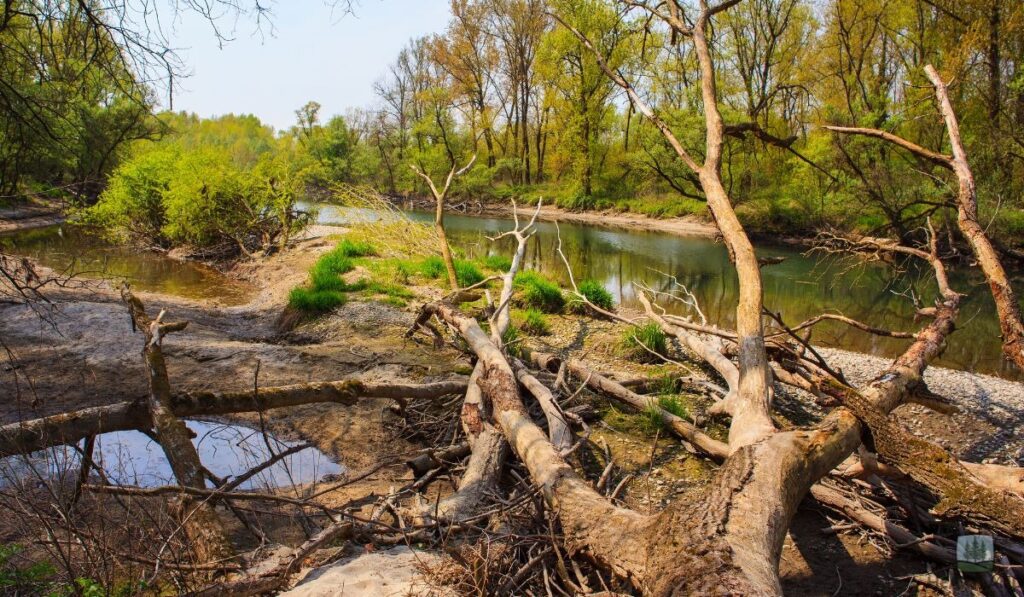
Indiana uses a simple test to identify the tree owner. Ownership depends on where the trunk meets the ground at the property line. If the base sits entirely on one line, that owner carries the responsibility.
When a trunk straddles two parcels, the tree becomes shared. In those cases, damage from a tree that fell often turns into a joint issue involving both the homeowner’s property and the neighbor’s property.
From examples seen in the field, survey maps and old fence posts usually settle disputes faster than arguments.
The Natural Condition Rule in Indiana
Storms matter. Wind, ice, and heavy snow often qualify as natural events. Under Indiana law, a healthy tree that fell during severe weather usually doesn’t trigger liability.
Most claims stall here because responsibility requires more than bad timing. When a storm drops a sound tree, courts rarely say the tree owner is at fault. That fact surprises many homeowners.
Flipping the Perspective: If My Tree Falls on Neighbor’s House Who is Responsible
This cuts both ways. If your tree fell onto a neighbor’s roof, the same standards apply. Ask one question first: Was the tree healthy?
If not, the focus shifts fast. Duty exists without finger-pointing, and fixing risks early often prevents expensive disputes later.
Book Your Tree Removal Today!
Proving Negligence: When an “Act of God” Becomes Legal Liability
“Act of God” sounds final, yet it has limits. Once decay enters the picture, liability conversations change quickly. Many disputes hinge on whether a dead tree existed long before impact.
The Dead or Dying Tree Exception
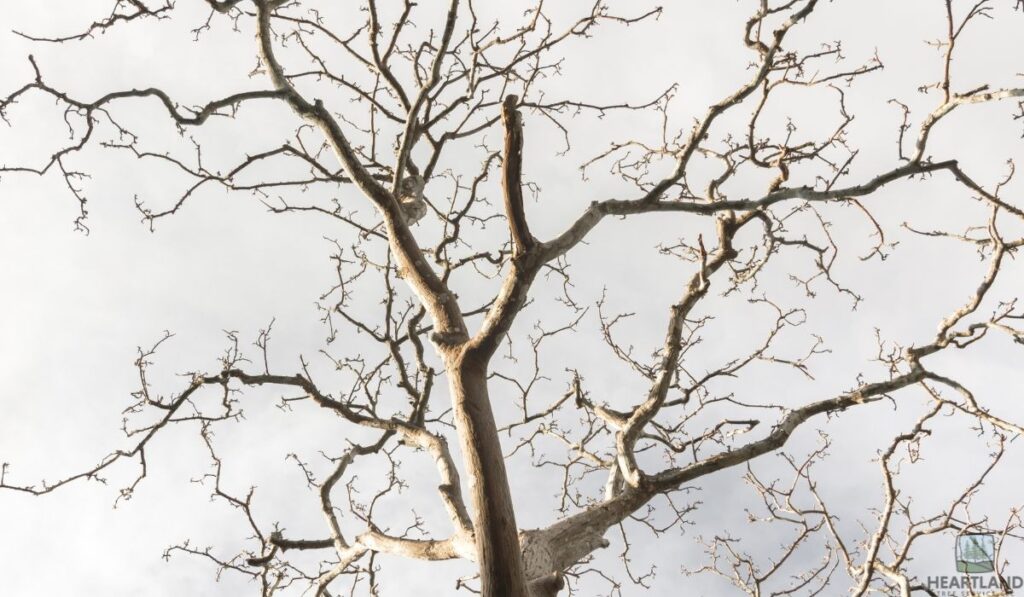
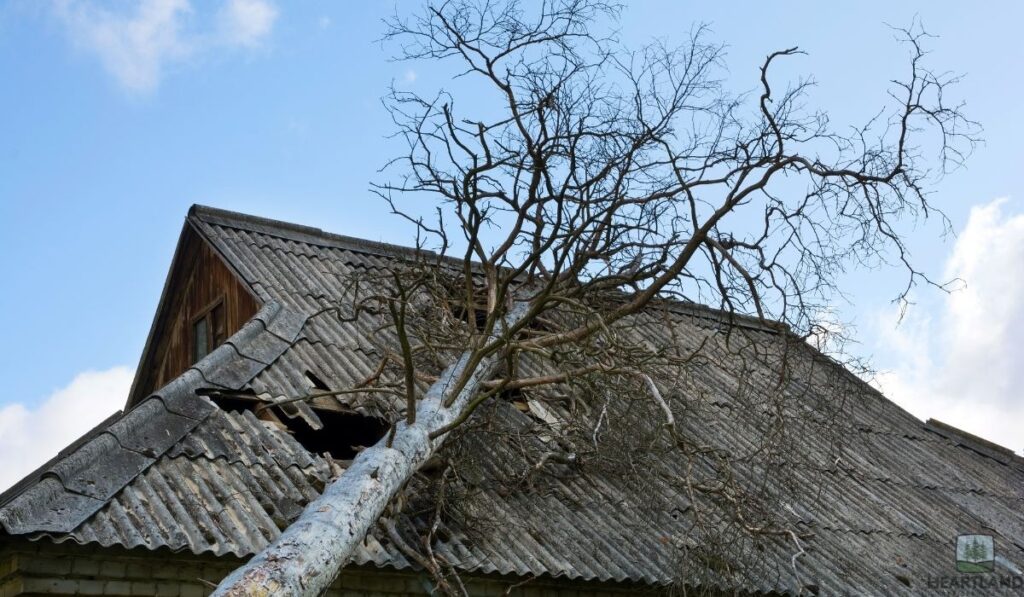
Weather defenses fail when the tree was dead or clearly dying. A rotten trunk turns a storm into a warning sign ignored.
From examples on job sites, hollow cores and peeling bark rarely appear overnight. When a damaged tree collapses, courts often view the fall as preventable.
Actual vs. Constructive Knowledge (Indiana Case Law)
Indiana places a duty on homeowners in residential areas to notice obvious hazards. Visible decay creates constructive knowledge even without formal reports.
Fungus, missing bark, or lean toward a structure increase risk. Courts often rule owners should have seen the danger and acted.
What Evidence Proves Negligence
Strong cases rely on proof, not opinions. Helpful evidence includes:
- Photos showing rot before the fall
- Written notices warning about the dead tree
- Arborist reports documenting negligence
These details help establish proving negligence and show why the owner should be held liable.
Dealing With Your Insurance Company and Homeowners Insurance
After impact, the phone calls begin. Claims usually start with your own insurance company, even when fault feels obvious. This step keeps repairs moving.
Filing a Claim With Your Own Insurance First
Most homeowners insurance policies cover sudden property damage from a fallen tree. Fault discussions often come later.
Coverage decisions focus on timing, not blame. Repairs begin faster this way.

Subrogation: When Insurers Go After the Neighbor
Once the claim pays out, subrogation may follow. Your insurer can seek recovery from the neighbor’s insurance if negligence caused the fall.
This process happens behind the scenes. Homeowners usually stay out of it.
The Deductible Question
Deductibles still matter. You may pay upfront, then recover money later if liability sticks.
From experience, clear evidence lowers cost and speeds reimbursement of expenses.
Can I Sue My Neighbor if His Dead Tree Falls on My House?
Suing feels heavy, yet it can make sense in certain situations. This section explains when a lawsuit fits, when it does not, and what usually decides the outcome. Think of it as a practical road map, not a sales pitch.
Small Claims Court in Indiana
Small disputes often belong in small claims court. Head there if damages top $5,000 but stay under the $10,000 cap as of 2026. Filing costs just $105 in Howard County; you recover it if you win.
When damage stays below that number, choosing this court saves time and keeps costs down.
Self-representation works here. Paperwork stays simple, hearings move fast, and judges focus on facts. From examples we’ve seen, photos and repair estimates matter more than speeches.
When You Need a Licensed Attorney
High damage changes the math. A licensed attorney is justified when structural harm, injuries, or disputed ownership are involved. Larger cases demand deeper knowledge of legal rules and insurance tactics.
A skilled lawyer helps protect your legal right and manage deadlines. Many homeowners find it prudent to consult an attorney early, even before deciding to sue.
What Actually Wins These Cases
Emotion rarely wins cases. Documentation does.
Strong claims rely on proof such as dated photos, inspection reports, and written notices. At the end of the day, judges want evidence, not opinions from a frustrated person seeking legal advice.
Documenting the Danger: Steps to Take Before and After the Tree Falls
A clear paper trail transforms chaos into a clear case for compensation. Here’s how to document the danger effectively, from early warnings to final cleanup, turning notice tricks and expert backups into your strongest assets.
The Certified Letter (Pre-Incident Gold Standard)
If a neighbor’s tree shows clear signs of risk, send a certified letter. This formal notice officially stamps your concern and proves you flagged the hazard.
Why it works: Courts and insurers require documented records.
How to do it: Head to the USPS. For about $4, you can send it with a return receipt to confirm delivery. Keep copies forever and track it online—it builds your case without saying a word.
Arborist Reports and Tree Health Records
Secure tree health records from a certified arborist. These independent reports detail rot, disease, or dangerous leans, providing ironclad documentation.
Why it works: They strengthen insurance claims and court positions.
How to do it: Schedule a professional inspection (fees often start around $200). Use apps to log annual scans easily. This proof saves lengthy arguments later.
Cleanup, Debris, and Fence Damage
After a fall, the affected property owner typically handles initial tree removal for safety. Haul debris to the curb; many cities, like Kokomo, offer free pick-up.
For fence damage, costs are often shared based on where the tree originated. If the roots were on their side, it’s fair to discuss splitting the repair bill.
Pro Tips for a Smoother Process
- Rent smart: A chipper can run about $50/day and drastically reduce debris volume.
- Photo first: Always photograph the damage and debris piles before any cleanup begins.
- Credit cooperation: If neighbors help, acknowledge their effort. Goodwill mends more than fences.
A shared approach lightens the load for everyone. Open a conversation first. It’s the simplest way to resolve matters smoothly and preserve the peace.
Prevention: The Most Cost-Effective Solution for Kokomo Homeowners
Prevention costs less than repair. Simple steps reduce disputes and protect homes. This approach benefits every homeowner involved.
Identifying Tree Health Risks Early
Routine checks catch trouble early. Leaning trunks, dead limbs, and soil lifting signal risk.
From examples on local properties, early action prevents damage and arguments.
Pruning vs. Full Removal
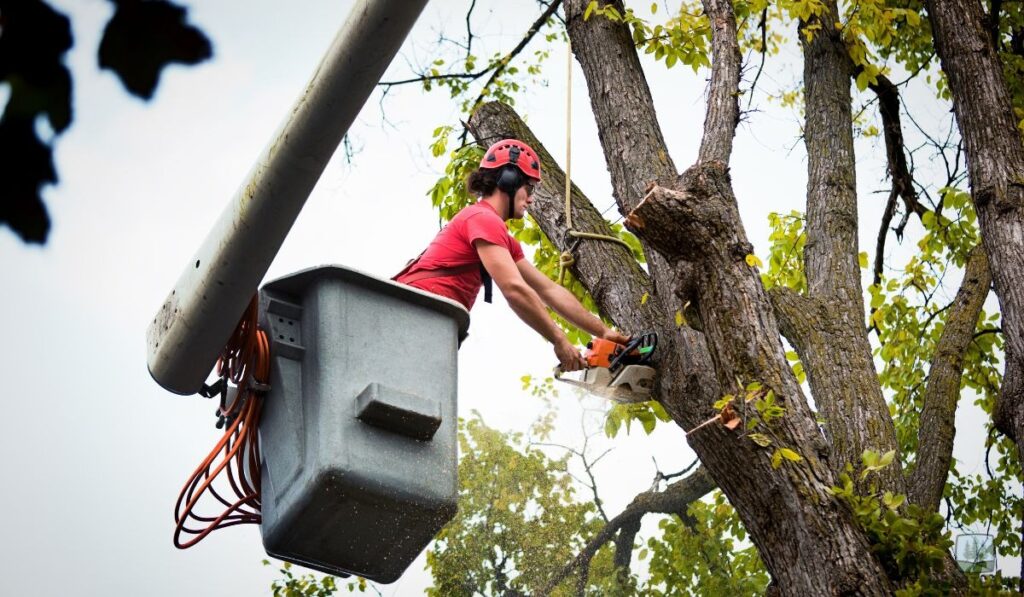
Pruning works when damage affects a portion of the tree. Full removal fits when rot spreads through the trunk.
Choosing the right option keeps costs low cost and protects the property.
Local Documentation and Risk Reduction
Local professionals understand conditions and codes. Their reports carry weight and protect the best interest of everyone involved.
Clear records at the right address reduce conflict with a neighbor and keep the yard safe for years.
Final Thoughts
Yes, you can sue your neighbor, but only in the right situation. In most cases, a fallen tree becomes an insurance issue first, not a lawsuit. Property damage usually gets handled through coverage, then sorted out later if someone should be responsible or liable.
When clear proof shows neglect, legal options may make sense and help deal with the damage caused. Smart next steps include gathering records, staying calm, and knowing when to consult a professional for legal guidance.
If questions remain, take a moment to visit our homepage for clear resources and practical help before the next storm tests your property again.
Frequently Asked Questions
Disclaimer: This article is for general informational purposes only and does not constitute legal, insurance, or professional advice. Policies, laws, and circumstances vary, and readers should consult qualified professionals before making any decisions. Heartland Tree Services is not responsible for any actions taken or not taken based on the information provided and assumes no liability for errors, omissions, or outcomes related to this content.